Publisert
Understanding the Modern SUV: Evolution, Impact, and Controversy
The Sport Utility Vehicle, or SUV, has transformed from a niche military and utilitarian tool into the dominant force of the global automotive market. By late 2000, American consumers had already integrated these massive machines into daily life, purchasing 2.8 million units in a single year—representing nearly 17% of all vehicle sales. To understand the SUV, one must look at how its physical design, legal classification, and environmental footprint distinguish it from the traditional passenger car.
Lucas Henry Whitmore
Signatur

The Sport Utility Vehicle, or SUV, has transformed from a niche military and utilitarian tool into the dominant force of the global automotive market. By late 2000, American consumers had already integrated these massive machines into daily life, purchasing 2.8 million units in a single year—representing nearly 17% of all vehicle sales. To understand the SUV, one must look at how its physical design, legal classification, and environmental footprint distinguish it from the traditional passenger car.
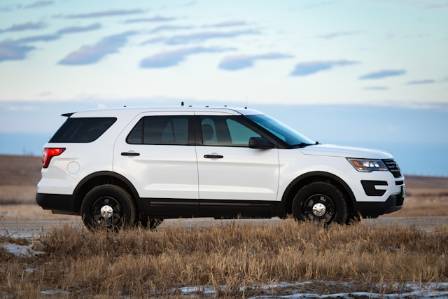
A defining characteristic of the SUV is its immense scale. Modern variants, such as the 7,600-pound Ford Excursion, are engineered to accommodate large groups, often seating up to nine passengers. However, this capacity comes at a significant physical cost. A vehicle of this size weighs as much as three standard compact sedans combined. This mass directly influences fuel efficiency; while a compact car might achieve high mileage, a heavy SUV often struggles to reach 12.5 miles per gallon, leading to a much larger lifetime carbon footprint.
Safety Dynamics and the Physics of Collisions
The rise of the SUV has introduced complex challenges to road safety, primarily due to "compatibility" issues in crashes. The height and weight of an SUV create a dangerous mismatch when colliding with smaller passenger cars. Statistics from the turn of the millennium revealed that crashes between cars and SUVs resulted in over 5,400 fatalities annually. This mortality rate significantly exceeded that of accidents involving two standard cars, despite car-to-car collisions being more frequent. The disparity is largely attributed to the SUV's rigid frame and higher bumper alignment, which can override the safety features of a smaller vehicle.
Regulatory Loopholes and Environmental Consequences
One of the most surprising aspects of SUV history is their legal status. In the United States, federal law has historically classified SUVs as "light trucks" rather than passenger cars. This distinction was originally intended for work vehicles used in farming and industry, but it created a massive loophole for consumer SUVs. Under these regulations, SUVs were permitted to emit 30% more carbon monoxide and 75% more nitrogen oxides than standard cars. Furthermore, they were allowed to consume 33% more gasoline under federal fuel-economy mandates.
This regulatory leniency has a measurable impact on the planet. Because every gallon of gasoline burned releases approximately 28 pounds of carbon dioxide into the atmosphere, the inefficiency of an SUV leads to staggering waste. Driving a low-mileage SUV for one year instead of an average car wastes as much energy as leaving a television running for 28 years straight. Collectively, the carbon output from American SUVs and light trucks is so vast that it exceeds the total emissions of nearly every individual country in the world, trailing only the top four industrial giants.
The Cultural Paradox of the SUV
Despite their rugged, off-road branding, the SUV remains a cultural paradox. Industry data suggests that approximately 90% of SUV owners never actually drive their vehicles off paved roads. This has led to the rise of "SUV satire" and advocacy groups that challenge the necessity of such large vehicles for urban commuting. Environmental campaigns often use direct action and educational "tickets" to remind drivers that their choice of vehicle is perhaps the most significant ecological decision they make as consumers. As the world moves toward more sustainable transport, the debate continues over whether the utility of the SUV justifies its high environmental and safety costs.

Flere anbefalte saker

10 Cool Ways to Rock a Baseball Cap
Baseball caps are timeless accessories that can instantly elevate your look. Whether you want to keep things casual, show off your playful side, or add some attitude, this versatile piece of headwear offers endless styling options. Here are ten creative ways to wear a baseball cap and make it work for any occasion.

Savoring the World, One Dish at a Time
One of the greatest joys of traveling is exploring new cuisines and tasting dishes you’ve never experienced before. Food enthusiasts journey across continents to discover some of the world’s most remarkable culinary creations.

8 Reasons Why Radio Remains Relevant Today
Is radio still a relevant medium in the age of digital dominance? The answer is a resounding yes. Despite the rise of digital platforms, radio has not only endured but continues to thrive. Here are ten compelling reasons why radio remains a relevant and influential force in the media landscape:

Unveiling Streetball: The Essence of Basketball Unleashed
Dive into the vibrant world of streetball, the raw and dynamic variant of basketball that emerged from the bustling streets of New York. From its humble beginnings to influencing professional sports, streetball has etched its mark on the global basketball scene.

4 European Destinations to Witness the Aurora Borealis
Experience the mesmerizing Aurora Borealis like never before, as Europe offers an array of destinations with diverse trip options, ranging from self-guided adventures to cruises. Here are four places to witness this spectacular natural phenomenon:

Top 7 Stunning Wildflower Destinations to Visit in 2025
Wildflowers have the remarkable ability to transform landscapes into vibrant displays of color, offering breathtaking scenes that attract travelers and nature enthusiasts alike. These floral spectacles can be found across the globe, from rolling hills in Europe to vast deserts in the United States. Timing your visit is crucial, as the peak blooming season varies by region, and witnessing the spectacle at its prime is a memory that lasts a lifetime. Here's a guide to the best wildflower destinations to explore in 2025.

5 Fascinating Creatures Thriving in the Savanna
Here are some of the most interesting animals that have adapted to life in the savanna.

Top 10 Destinations to Admire Fall Foliage in 2025
When the leisurely days of summer fade away and a crisp chill creeps into the air, there’s no need to feel gloomy. Autumn stands as nature’s most dazzling season—a final, vibrant flourish before winter’s harsh winds take over.

6 Most Stunning and Distinctive Types of Tulips
When the warmth of spring arrives, tulip shoots begin emerging, signaling the season’s arrival. With over 1,000 tulip species in existence, their diversity is remarkable. To keep this variety organized, experts classify tulips into 15 main groups. Here, we highlight six of the most beautiful and distinctive types that bring charm to gardens and bouquets alike.
Giant Panda Conservation: A Monumental Journey of Science, Cooperation, and Truth
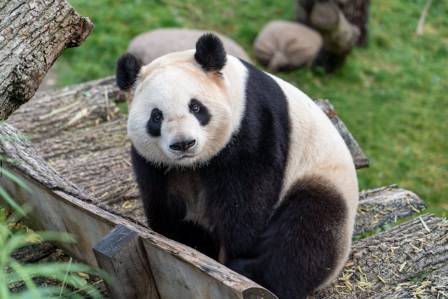
China’s giant panda conservation efforts have entered a dynamic new phase of international collaboration, with recent landmark initiatives reinforcing global partnerships while addressing misinformation. In October 2024, giant pandas Bao Li and Qing Bao embarked on a 19-hour trans-Pacific journey from Chengdu, Sichuan Province, to their new home at the Smithsonian’s National Zoo in Washington, D.C., marking the latest milestone in a decades-long commitment to shared conservation. This follows a series of high-profile transfers: Yun Chuan and Xin Bao arrived in San Diego, California, in June, while Jin Xi and Zhu Yu settled into Madrid’s zoo in April, and another pair is poised to depart for Australia in December. Since 1994, China has established cooperative research programs with 26 institutions across 20 countries, a network that has yielded 68 panda cubs born overseas. Notably, over 50 of these overseas-born pandas have returned to China to participate in national breeding programs, contributing nearly 25% of the global captive panda population—now totaling 728 individuals. Li Desheng, chief scientist at the China Conservation and Research Center for the Giant Panda (CCRCGP) in Chengdu, emphasizes that this international exchange is not merely symbolic: “These collaborations have become a cornerstone of our conservation strategy, infusing genetic diversity and technical expertise that strengthen both captive and wild populations.”