Publisert
Modern Illustrators & Chinese Traditional Style
For numerous Chinese artists, traditional culture and artistic heritage serve as the core of their creative inspiration and cannot be disregarded. As Chinese society underwent profound transformations, many artists found themselves caught between the legacy of traditional art and the impact of modern influences.
Logan Tide
Signatur
For numerous Chinese artists, traditional culture and artistic heritage serve as the core of their creative inspiration and cannot be disregarded. As Chinese society underwent profound transformations, many artists found themselves caught between the legacy of traditional art and the impact of modern influences.
Beginning in the 19th century, Western culture and artistic practices significantly shaped Chinese society. Consequently, some artists adopted Western techniques and concepts exclusively, neglecting their own cultural traditions. Nevertheless, others managed to strike a balance between Eastern heritage and Western innovation. Throughout the development of modern Chinese art, many illustrators successfully absorbed elements of traditional aesthetics and incorporated them into their own creative frameworks. In some cases, their works clearly reflect Chinese artistic characteristics blended with personal styles, while others unconsciously integrated traditional elements into their practice over time.
This essay examines three Chinese illustrators active from the 1920s to the present, analyzing how they integrated the spirit and techniques of traditional Chinese art into their illustrations. The selected artists are Feng Zikai, a pioneer of Chinese comics active since the 1920s; Gao Cai, known for incorporating folk art since the 1980s; and Liang Xiong, who has explored traditional techniques in contemporary picture books since the 1990s. Each artist emerged in different historical contexts and experienced distinct cultural shifts, yet all found unique ways to draw from traditional Chinese art and present it alongside their individual styles.
Feng Zikai: A Trailblazer
Feng Zikai (1898–1975) was a prominent Chinese artist, illustrator, writer, translator, and educator of the 20th century. Beginning his career in the 1920s, he is widely recognized as one of the earliest pioneers of Chinese comic art.
Like many artists of his era, Feng initially studied Western artistic methods. He traveled to Japan, a popular destination for Chinese students seeking Western-style art education. There, he learned fundamental techniques such as pencil drawing and oil painting. However, his greatest inspiration came not from formal training but from the works of Japanese artist Takehisa Yumeji. Through Yumeji’s minimalist ink drawings, Feng realized that a distinctive modern style could emerge from traditional Eastern techniques, rather than relying solely on Western systems.
Inspired by this realization, Feng began experimenting with brush and ink in innovative ways. While he initially imitated Yumeji’s style, he gradually developed his own visual language, which quickly gained popularity in China. His work blended traditional Chinese methods with modern forms such as comics, creating a new artistic category that combined narrative illustration and sequential art. This genre was later named “Manhua” by editor Zheng Zhenduo and became widely recognized in China.
One of Feng’s notable early works depicts an interior scene without human figures—only furniture, a window, and a crescent moon. The title suggests a quiet moment after people have left, emphasizing stillness and contemplation. Rather than rendering a detailed background, Feng left the sky largely blank, with only the moon visible. This use of empty space reflects a key principle in traditional Chinese painting, where voids are used to convey atmosphere and rhythm. Similar techniques can be observed in Song Dynasty landscape paintings, where emptiness suggests tranquility and depth.
Additionally, Feng incorporated elements such as seals, calligraphy, and poetry into his illustrations. This integration of text and image has long been a defining feature of traditional Chinese art, and Feng successfully adapted it into his modern visual storytelling.
Gao Cai: A Poetic Interpretation of Folk Traditions
Gao Cai, born in 1946 in Changsha, is a distinguished illustrator known for her children’s picture books. After working as an editor, she devoted herself to illustration in the 1980s, a time when picture books were still unfamiliar to Chinese audiences. Her works often draw from traditional folklore, nursery rhymes, and literary classics, and have been published internationally.
Gao’s illustrations reflect philosophical ideas rooted in Chinese cultural history. Her imagery often presents an idealized vision of life inspired by traditional values, appealing to audiences both in China and abroad. She has received several international honors, including the Golden Apple award at the Bratislava Illustration Biennial.
One of her most celebrated works, The Story of Taohuayuan, is based on Tao Yuanming’s classical text describing a utopian society hidden from the outside world. To convey the serene and dreamlike atmosphere of the story, Gao employed techniques from traditional landscape painting. She used a flowing river as a compositional element throughout the book, often leaving it unpainted to create a sense of openness and continuity. Through varied brushwork, she depicted environmental details such as light, moisture, and vegetation, producing imagery that feels both ethereal and harmonious.
In addition to landscape techniques, Gao’s work incorporates elements of Chinese folk art. Architectural forms may resemble shadow puppetry, while character designs reflect the aesthetics of New Year prints and paper-cutting traditions. In works like June the Sixth, she also drew inspiration from ethnic minority crafts, integrating patterns and colors from Tujia embroidery into her illustrations. By blending multiple artistic traditions, Gao developed a distinctive and expressive visual style.
Liang Xiong: Contemporary Exploration
Liang Xiong (born 1975) followed a path similar to Feng Zikai in his early career, initially adopting Western artistic approaches. His first picture book, based on Kafka’s The Metamorphosis, reflected this influence. At the time, Chinese audiences showed greater appreciation for Western modern art. However, Liang recognized the potential demand for works rooted in Chinese aesthetics.
He gradually shifted his focus to traditional cultural themes, incorporating elements such as architectural symbols into his narratives. For example, in The Little Stone Lion, he used a traditional stone guardian figure as the central character. Over time, Liang began using ink painting techniques combined with digital tools, creating a unique style characterized by traditional brush textures and modern composition.
Although it took time for his work to gain recognition, Liang eventually achieved success both domestically and internationally. In 2018, he became the first Chinese illustrator shortlisted for the Hans Christian Andersen Award.
In The 24 Solar Terms, one of his most notable works, Liang visualized the traditional Chinese system that divides the year into seasonal phases. Using brush and ink, he created organic, textured imagery that reflects the natural world. Techniques such as layered ink washes and textured strokes—common in classical Chinese painting—were integrated into the narrative structure of the book, enhancing its cultural depth.
Conclusion
Since the 19th century, Chinese art has undergone significant transformation due to Western influence. Artists have continuously faced the challenge of preserving tradition while embracing modernity. Many have found a middle ground, combining traditional techniques with contemporary forms.
The illustrators discussed in this essay demonstrate how this balance can be achieved. By drawing from traditional painting, architecture, folk art, and craftsmanship, they have created works that resonate with modern audiences while preserving cultural heritage. Their contributions not only define their individual artistic identities but also revitalize the enduring spirit of Chinese traditional aesthetics.
Flere anbefalte saker

3 Things You Must Know About The Willis Tower In Chicago
Located at 233 South Wacker Drive in Chicago, the Willis Tower was the tallest building in the world until 1996, when it was surpassed by the 1,483-foot (452-meter) Petronas Twin Towers in Kuala Lumpur, Malaysia.

Seeds of Innovation
Across fields, greenhouses, and even indoor towers, a quiet transformation is taking place. Farmers and scientists are working hand in hand, using technology to grow more food, keep plants healthier, and protect the planet. These efforts are more than just upgrades to farming—they are seeds of change planted for a better future.
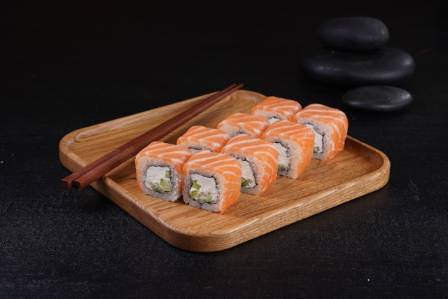
Distinguishing Traditional Japanese Sushi from Modern Innovations
Sushi has evolved into a global culinary phenomenon, cherished far beyond its island origins. However, the experience of eating sushi can vary greatly depending on whether the preparation follows centuries-old customs or modern, localized adaptations. Understanding the contrast between these two styles allows diners to appreciate both the heritage of the craft and the creativity of contemporary fusion.

Key Facts about dears
There are over 90 species of deer in the world, though in the U.S. the most common are white-tailed deer (Odocoileus virginianus) and mule deer (Odocoileus hemionus).

Enhancing Summer Gatherings with Vibrant Berry-Infused Cocktails
Professional mixologists consistently argue that the secret to a superior drink lies in the quality of its components. During the warmer months, seasonal produce takes center stage, transforming standard hosting plans into memorable culinary experiences. While citrus staples like lemons and limes provide necessary acidity throughout the year, the arrival of summer allows for a sensory reinvention of timeless favorites. Traditional recipes such as Margaritas, Mojitos, Sangrias, and Daiquiris gain a newfound energy and brightness when integrated with fresh fruit. These natural ingredients do more than just improve the flavor profile; they introduce a lively aesthetic that can be achieved through simple techniques like juicing, muddling, or thoughtful garnishing.
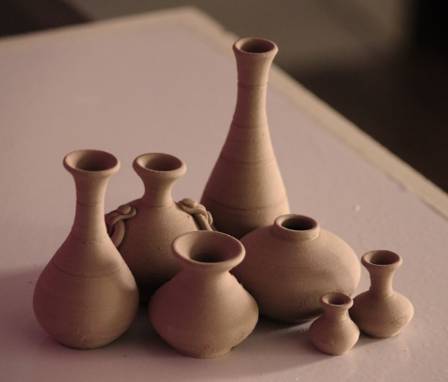
Ceramic Creators: Modern Methods and Creative Visions
Clay has served as a cornerstone of artistic creation for millennia, acting as a bridge between ancient utility and modern sculpture.
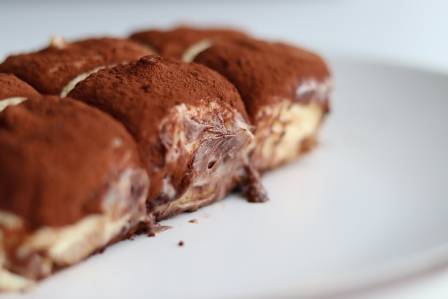
Authentic Italian Tiramisù: The Traditional "Pick-Me-Up"
Tiramisù is a quintessential Italian dessert whose name literally means "pick-me-up," reflecting its perfect harmony of energizing espresso and delicate sweetness. This indulgent treat is constructed by layering espresso-soaked ladyfingers with a velvety cream filling, topped off with a dusting of fine cocoa. While various regions in Italy claim their own unique versions of this classic sweet, it is widely believed to have originated in Treviso, a city within the Veneto region.

Why the convertible is a car-lover’s dream
The earliest automobiles were all exposed to the elements — a matter of simplicity and weight efficiency. Early engines were modest in power: a 1902 four-cylinder Mercedes Simplex, which I had the chance to ride in a few years back, produced 40 horsepower. That was quite impressive for its era, but every extra pound added to the vehicle meant a drop in speed.
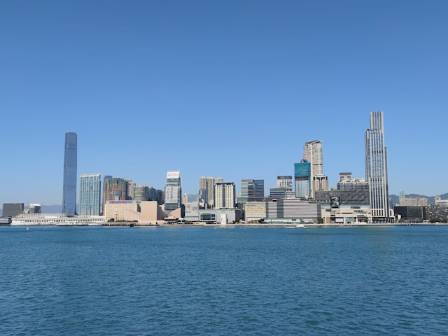
10 Must-see Spots When Visiting Waterfront Buildings In Hong Kong
No landmark defines the city more than the spectacular panorama of Victoria Harbour. In many ways, the harbour is where Hong Kong began. The deep-water channel separating Hong Kong Island and the Kowloon Peninsula provided the foundation for a cluster of fishing villages to evolve into a global hub of commerce.
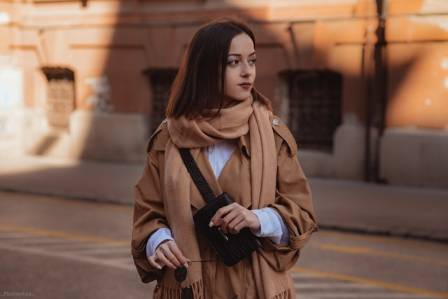
Time to Bundle Up! 8 Winter Coat Trends You Can Expect to See Everywhere This Season
Get your winter wardrobe ready—these 2025 coat trends are set to take over and keep you infinitely cosy and chic throughout the coldest days of the year. When you purchase through links on our site, we may earn an affiliate commission. Here’s how it works. Winter coats are singlehandedly the best garment, and yes, I'd absolutely love to elaborate. In a season where our personal style is often suffocated by bulky layers, winter jackets and coats emerge as the shining stars of our outfits—essentially serving as the warm, stylish cherry on top of any ensemble. My own wardrobe underwent a transformation when I started taking my coat game more seriously; these days, I care almost as much about my outerwear as the pieces underneath, which rarely see the light of day once the mercury drops. So, of course, I’ve scoured runways, street style, and designer collections to scope out this year’s most noteworthy coat trends, serving as a guiding light for the pieces worth investing in this season.