Publisert
Distinguishing Traditional Japanese Sushi from Modern Innovations
Sushi has evolved into a global culinary phenomenon, cherished far beyond its island origins. However, the experience of eating sushi can vary greatly depending on whether the preparation follows centuries-old customs or modern, localized adaptations. Understanding the contrast between these two styles allows diners to appreciate both the heritage of the craft and the creativity of contemporary fusion.
Charles Montford
Signatur
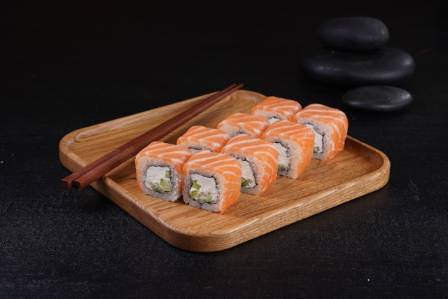
Sushi has evolved into a global culinary phenomenon, cherished far beyond its island origins. However, the experience of eating sushi can vary greatly depending on whether the preparation follows centuries-old customs or modern, localized adaptations. Understanding the contrast between these two styles allows diners to appreciate both the heritage of the craft and the creativity of contemporary fusion.
Traditional Sushi: The Refinement of Simplicity
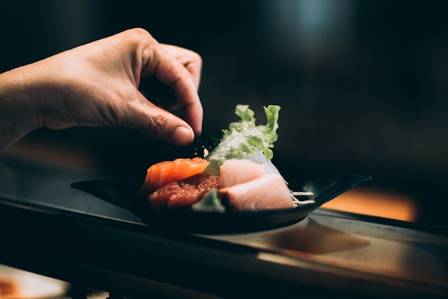
Authentic Japanese sushi, often referred to as "Edo-mae," originated during the Edo period between the 17th and 19th centuries. Initially, rice and salt were used primarily as a means to ferment and preserve fish. This functional beginning eventually transformed into the refined art form we recognize today, centered on the delicate harmony of vinegared rice and pristine seafood. The core philosophy of this style is a deep respect for natural flavors, avoiding any unnecessary distractions.
In this traditional approach, the quality of every element is paramount. The rice, known as "shari," is meticulously seasoned with a specific blend of vinegar, salt, and sugar. The seafood, or "neta," must be exceptionally fresh and sliced with surgical precision to highlight its unique texture. Classic preparations include nigiri, where a slice of fish rests atop a small mound of rice; sashimi, which consists of raw fish served alone; and maki, simple rolls wrapped in seaweed. This style emphasizes purity, quality, and the craftsmanship of the chef.
Modern Sushi: Global Fusion and Creative Adaptations
As sushi gained popularity internationally, particularly in the United States, it began to change to accommodate local preferences. Modern or Western-style sushi is characterized by innovation and the integration of non-traditional ingredients. These adaptations often prioritize a richer, creamier flavor profile that appeals to a broader, global palate.
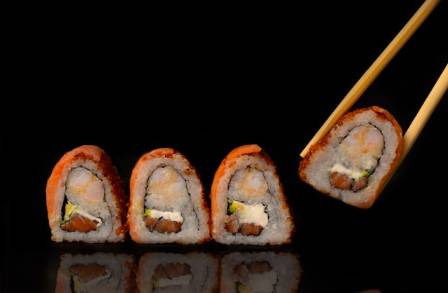
Common features of modern rolls include the use of avocado, cream cheese, and spicy mayonnaise, along with deep-fried elements like tempura. These additions create a more complex and heavy taste compared to the minimalist Japanese originals. While these contemporary rolls offer a delicious variety and a gateway for those unfamiliar with raw fish, they represent a significant departure from the "Edo-mae" roots.
Choosing Your Sushi Experience
Deciding between traditional and modern sushi often comes down to the type of experience a diner seeks. Opting for traditional sushi is an invitation to explore a timeless art form that values the essence of the ingredient above all else. It is an exercise in subtlety and elegance. Conversely, modern sushi offers a vibrant, fusion-heavy experience that celebrates bold combinations and local culinary trends.
Whether one prefers the disciplined simplicity of a perfect piece of nigiri or the inventive layers of a contemporary specialty roll, both styles contribute to the rich tapestry of global cuisine. Embracing traditional methods ensures that the history and artistry of Japanese culture are preserved, even as the dish continues to reinvent itself in kitchens around the world.
Flere anbefalte saker
Global Culinary Staples: Iconic Foods from Ten Nations
Food is more than just fuel, it’s a reflection of a country’s history, climate, and soul. The staple foods of a nation, those everyday essentials that form the backbone of meals, tell stories of tradition, agriculture, and community. From the rolling hills of Europe to the bustling markets of Asia, each country’s primary dish is a unique expression of its identity. Let’s explore ten such nations and the foods that define their daily tables.

Key Facts about dears
There are over 90 species of deer in the world, though in the U.S. the most common are white-tailed deer (Odocoileus virginianus) and mule deer (Odocoileus hemionus).

Ten Essential Ukiyo-e Woodblock Prints
Ukiyo-e, the "pictures of the floating world," are Japanese woodblock prints that flourished during the Edo period (1603-1868). This art form achieved mass production, making beautiful and influential images widely accessible. The prints captured the popular culture of the time, from beautiful women and kabuki actors to dramatic landscapes and legendary heroes. The following ten works are among the most important and iconic in the history of Ukiyo-e.

Unveiling 6 World's Most Deadly Creatures
In a world teeming with a staggering diversity of 1.2 million species, the quest to identify the most dangerous animal is a compelling inquiry. Contrary to popular expectations fueled by Hollywood depictions, the deadliest adversaries to humans often emerge in diminutive forms, wielding lethal prowess through disease, venom, and other subtle means.

Squirrel Monkeys: Diversity and Conservation of the Saimiri Genus
The squirrel monkey genus, Saimiri, comprises at least seven distinct species and seven subspecies, all native to the tropical forests of Central and South America. These small, agile primates are known for their social behavior and adaptability to various forest habitats, from floodplains to secondary growth. While some species thrive, others face significant threats from habitat loss and fragmentation, highlighting the need for targeted conservation efforts. Below is an overview of each recognized squirrel monkey species, their habitats, distributions, and conservation statuses.

4 Healing Power of Animal Companionship in Therapy
The profound bond between humans and animals goes beyond mere companionship; it holds the remarkable ability to promote healing and enhance mental well-being. Animals, with their innate qualities, offer comfort and support that can significantly impact our lives.
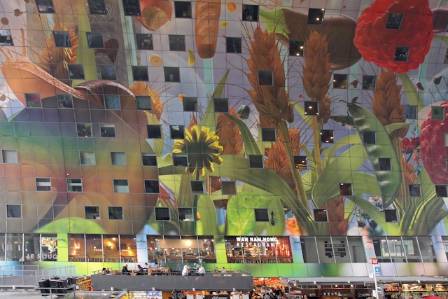
3 Most Marvelous Contemporary Buildings Around the Globe
As explorers, our attention is often captured by those exceptional structures boasting sleek and modern designs when we step into a new city. In this article, we delve into five architecturally stunning contemporary buildings from different corners of the world:

4 Things You Should Know About The Matterhorn Gardens In Norway
Designed by the prominent architect Karl Norum - who would later create the iconic Britannia Hotel - the building showcases the elaborate Neo-Baroque style, sometimes referred to as Berlin Baroque. Its most striking feature remains the elegant dome that crowns the corner facing Søndre gate, creating a dramatic focal point in the city's streetscape. The facade displays the characteristic ornamentation and grandeur of the period, with intricate details that demonstrate the craftsmanship of the era.

Mount Blue Sky Scenic and Historic Byway
The Mount Blue Sky Scenic and Historic Byway, formerly known as the Mount Evans Scenic Byway, offers a breathtaking journey through Colorado's diverse landscapes. This 49-mile route climbs more than 7,000 feet in just 28 miles, reaching an elevation of 14,130 feet—the highest paved road in North America.
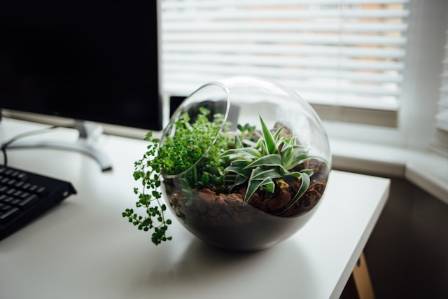
DIY Closed Terrarium: How to Create Your Own Bottle Garden
Did you know that a closed terrarium, a sealed bottle garden, can sustain itself with little to no maintenance? Creating a self-sustaining ecosystem in a glass container is both fascinating and rewarding. Unlike open terrariums that are ideal for arid plants like succulents, closed terrariums provide a humid environment that favors ferns and other moisture-loving species.