Publisert
Global Culinary Staples: Iconic Foods from Ten Nations
Food is more than just fuel, it’s a reflection of a country’s history, climate, and soul. The staple foods of a nation, those everyday essentials that form the backbone of meals, tell stories of tradition, agriculture, and community. From the rolling hills of Europe to the bustling markets of Asia, each country’s primary dish is a unique expression of its identity. Let’s explore ten such nations and the foods that define their daily tables.
Olivia Mitchell
Signatur
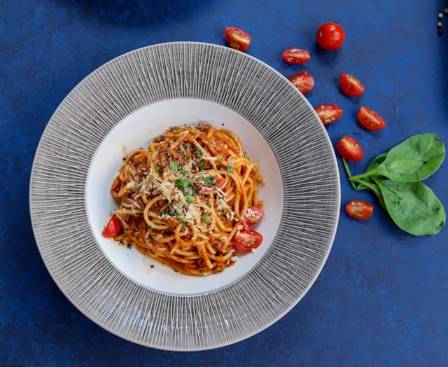
Food is more than just fuel, it’s a reflection of a country’s history, climate, and soul. The staple foods of a nation, those everyday essentials that form the backbone of meals, tell stories of tradition, agriculture, and community. From the rolling hills of Europe to the bustling markets of Asia, each country’s primary dish is a unique expression of its identity. Let’s explore ten such nations and the foods that define their daily tables.
Italy: Pasta
Italy is synonymous with pasta, a culinary treasure born from simple ingredients: flour, water, and sometimes eggs. This versatile staple comes in endless forms: long strands of spaghetti, tube-shaped penne, and stuffed ravioli, each paired with region-specific sauces. Whether tossed in a zesty tomato basil sauce in Naples or mixed with creamy carbonara in Rome, pasta is more than a meal in Italy; it’s a unifying symbol of regional pride and shared joy.
Japan: Rice
In Japan, rice is far more than a side dish—it’s a way of life. Cultivated with meticulous care, it forms the foundation of nearly every meal, from breakfast to dinner. Steamed white rice accompanies grilled fish, pickled vegetables, and savory soups. Beyond plain rice, it transforms into sushi (vinegared rice with seafood), onigiri (rice balls wrapped in seaweed), and donburi (rice topped with meat or eggs). Rice in Japan embodies precision, respect for ingredients, and the art of balance.
India: Rice and Roti
India’s culinary diversity shines through its dual staples: rice and roti. In the southern and eastern regions, rice reigns supreme, served with spicy curries, coconut-based dishes, or transformed into fluffy biryani. In the north, wheat takes center stage, rolled into soft chapatis, flaky parathas, or leavened naan. These staples act as the perfect canvas, soaking up the bold flavors of spices, lentils, and chutneys that make Indian cuisine so vibrant.
Mexico: Corn
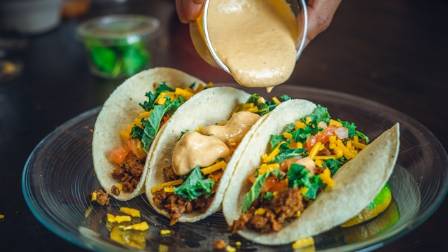
Corn is the lifeblood of Mexican cuisine, with a history dating back thousands of years. This sacred grain appears in countless forms: thin tortillas folded into tacos, steamed tamales wrapped in corn husks, and creamy pozole (a corn-based soup). Even snacks like elotes (grilled corn with chili and lime) highlight its versatility. Corn isn’t just food in Mexico; it’s a cultural icon, deeply tied to the country’s heritage and daily rituals.
China: Rice and Noodles
China’s vast landscape gives rise to two dominant staples: rice in the south and noodles in the north. In southern provinces, rice is steamed, fried into Yangzhou fried rice, or used to make sweet rice dumplings. In the north, wheat noodles take precedence, slurped in spicy Lanzhou noodles, wrapped in jiaozi (dumplings), or stir-fried into chow mein. Together, rice and noodles adapt to every region, making them the backbone of China’s diverse culinary traditions.
France: Bread
In France, bread is a daily necessity and a source of national pride. The baguette, with its crisp crust and soft, airy interior, is a morning staple, eaten plain, used to make sandwiches, or served alongside cheese and wine. Beyond baguettes, there are crusty boules, buttery brioche, and rustic sourdough. Bread in France isn’t just sustenance; it’s a symbol of craftsmanship, with boulangeries (bakeries) serving as community hubs.
South Korea: Kimchi and Rice
South Korean cuisine is defined by the dynamic duo of kimchi and rice. Kimchi—fermented cabbage or radishes seasoned with chili, garlic, and ginger—is more than a side; it’s a cultural institution, served with nearly every meal. Alongside it, steamed rice provides a neutral base, balancing kimchi’s bold, tangy flavors. Together, they form the foundation of dishes like bibimbap (mixed rice with vegetables) and kimchi jjigae (kimchi stew), embodying Korea’s love for depth and complexity.
Thailand: Rice and Noodles
Thailand’s staples, rice and noodles, are a celebration of harmony. Jasmine rice, with its fragrant aroma, is a constant companion to spicy green curry, tangy tom yum soup, and stir-fried pad kra pao. When noodles take the spotlight, they shine in dishes like pad thai (stir-fried rice noodles with peanuts and lime) and khao soi (a creamy coconut noodle soup). Rice and noodles in Thailand are designed to complement the country’s signature balance of sweet, sour, salty, and spicy.
Brazil: Rice and Beans
In Brazil, rice and black beans are an inseparable pair, forming the base of nearly every meal. This simple yet nutritious combination is the foundation of feijoada, a hearty stew of black beans and pork, and is often served with farofa (toasted cassava flour) for crunch. Rice and beans aren’t just food in Brazil; they’re comfort on a plate, loved across regions and enjoyed by young and old alike.
Morocco: Couscous
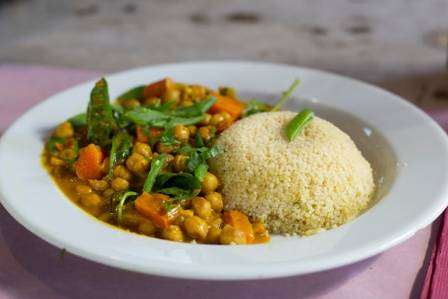
Couscous, tiny steamed wheat granules, is the heart of Moroccan cuisine. Light and fluffy, it’s traditionally served with tagines: slow-cooked stews of meat (lamb, chicken), vegetables (carrots, zucchini), and dried fruits (dates, apricots), seasoned with warm spices like cumin and cinnamon. Couscous embodies Moroccan hospitality, often served family-style in large platters, bringing people together over shared meals.
From pasta in Italy to couscous in Morocco, these staples are more than just ingredients, they’re the threads that weave together the world’s culinary tapestry. Each tells a story of a nation’s land, people, and traditions, proving that food is one of the most powerful ways to connect with cultures around the globe.
Flere anbefalte saker

2025 Rail Technology Trends: Transforming Efficiency, Safety, and Sustainability in the US Rail Industry
As 2025 unfolds amid a dynamic economic and political landscape, the US rail industry stands at a critical juncture, grappling with a trifecta of challenges: sustaining profitability amid rising operational costs, modernizing ageing infrastructure, and meeting escalating customer expectations for reliability and convenience. In this high-pressure environment, rail operators are turning to advanced technology as a strategic imperative to drive operational efficiency, enhance safety, and deliver value to stakeholders—from freight clients to daily commuters. The following ten trends represent the most impactful technological advancements set to redefine railroad operations in 2025 and beyond, merging connectivity, data intelligence, and automation to address industry pain points and unlock new potential.
The Absolute Best Methods to Cook Shrimp (Ranked by Texture & Flavor)
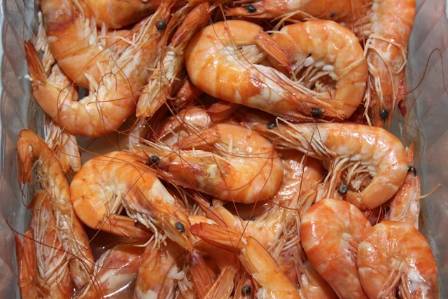
After extensive testing of 10 shrimp-cooking methods, this guide breaks down the pros, cons, and ideal use cases for each—so you’ll never serve rubbery, overcooked shrimp again. A key note: shell-on shrimp retains far more moisture and flavor than peeled shrimp across all methods, and shrimp/prawns are interchangeable (prawns are just larger, freshwater decapods).

8 Spectacular Kayaking Destinations Around the World
If you’re tired of paddling in your local lake, it might be time to explore some of the world’s most breathtaking kayaking spots. From icy alpine rivers to sun-drenched tropical lagoons, there are incredible locations that promise adventure, beauty, and unforgettable memories.

Fundamentals of Paper Composition: A Comprehensive Guide to Collage Art
Creating a paper collage is an incredibly engaging way to explore visual storytelling. Whether you are looking to repurpose everyday materials or create a fine art piece, the art of collage offers a versatile medium where personal expression takes center stage. This guide covers the essential techniques and materials needed to transition from a beginner to a confident collage artist.

Smart Buying Tips for Vacation Rentals
To maximize your investment returns, look for properties in prime destinations that offer high-demand features like pools, hot tubs, or scenic views. Prioritize locations with lower overhead to boost your capitalization rate.

Why the convertible is a car-lover’s dream
The earliest automobiles were all exposed to the elements — a matter of simplicity and weight efficiency. Early engines were modest in power: a 1902 four-cylinder Mercedes Simplex, which I had the chance to ride in a few years back, produced 40 horsepower. That was quite impressive for its era, but every extra pound added to the vehicle meant a drop in speed.
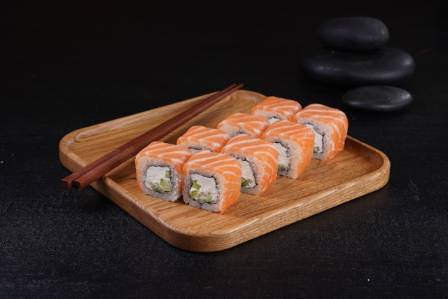
Distinguishing Traditional Japanese Sushi from Modern Innovations
Sushi has evolved into a global culinary phenomenon, cherished far beyond its island origins. However, the experience of eating sushi can vary greatly depending on whether the preparation follows centuries-old customs or modern, localized adaptations. Understanding the contrast between these two styles allows diners to appreciate both the heritage of the craft and the creativity of contemporary fusion.

A Comprehensive Manual for Selecting the Ideal Full-Length Evening Gown
Certain garments do not require an occasion; they define it. The full-length evening gown has long held a distinct position in a woman's wardrobe. Rather than merely covering the frame, it alters your posture, your stride, and your presence within a space. At Nikka, we prioritize garments that offer an immediate sense of belonging. These pieces are crafted to complement your natural silhouette and individual energy, moving away from rigid standards of perfection.

Sunflower: History, Uses, and Plant Details
Sunflower is the leading oilseed crop in Europe and North America, where it was originally domesticated and cultivated during the first millennium B.C. Native Americans utilized various parts of wild sunflowers for medicinal and culinary purposes. Initially, sunflowers were mainly spread worldwide as decorative plants. The crop became a crucial oilseed globally after Russian breeders developed the Mammoth Russian variety around 1860, which increased the size of the flower heads and boosted the seed oil content from 28% to nearly 50%. These improved varieties were later reintroduced to the United States in 1893. Over the past 3,000 years, the size of sunflower seeds has grown by 1,000%.

Interactive Digital DNA Structure Model
This resource offers an engaging, hands-on way for students and biology enthusiasts to understand DNA by interacting with a highly detailed 3D model. Users can explore the double helix structure, examine nucleotides, and observe base-pair relationships within a dynamic digital environment.