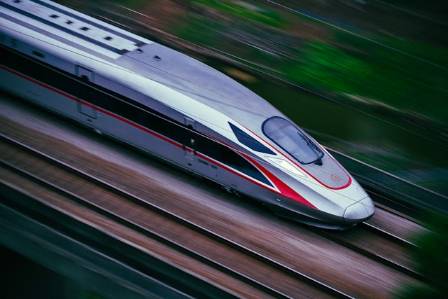
Introduction: The Pressures and Drivers Shaping 2025 Rail Innovation
As 2025 unfolds amid a dynamic economic and political landscape, the US rail industry stands at a critical juncture, grappling with a trifecta of challenges: sustaining profitability amid rising operational costs, modernizing ageing infrastructure, and meeting escalating customer expectations for reliability and convenience. In this high-pressure environment, rail operators are turning to advanced technology as a strategic imperative to drive operational efficiency, enhance safety, and deliver value to stakeholders—from freight clients to daily commuters. The following ten trends represent the most impactful technological advancements set to redefine railroad operations in 2025 and beyond, merging connectivity, data intelligence, and automation to address industry pain points and unlock new potential.
1.Internet of Things (IoT): Connecting Assets for Real-Time Visibility
The integration of IoT systems has become a cornerstone of modern rail operations, as railroads increasingly deploy smart sensors across train carriages, signaling equipment, tracks, and rolling stock to create a fully connected ecosystem. These sensors collect vast volumes of real-time data—from track temperature and equipment vibration to train speed and passenger occupancy—and transmit it to centralized digital platforms, enabling rail operators to monitor assets remotely and make data-driven decisions. The benefits are far-reaching: real-time incident alerts allow for rapid response to issues like track defects or equipment malfunctions, minimizing service disruptions; predictive maintenance scheduling based on asset condition data extends the lifespan of critical infrastructure while reducing unplanned downtime; improved reliability translates to more on-time arrivals for passengers and freight; and enhanced safety protocols, such as real-time monitoring of hazardous materials in freight cars, mitigate risks for workers and communities. For example, IoT-enabled track sensors can detect subtle shifts in rail alignment caused by weather or heavy use, triggering maintenance teams to address issues before they escalate into costly failures or safety hazards.
2.Targeted Data Capture & Advanced Analytics: Turning Insights into Action
As the rail industry expands its use of data-driven tools, the focus is shifting from mere data collection to targeted capture of high-value information and sophisticated analysis that drives strategic decision-making. It is no longer enough to gather real-time data—operators must identify the most relevant data streams to address specific business challenges, from optimizing route efficiency to improving customer satisfaction. Leading rail technology providers like Tracsis are at the forefront of this shift, integrating GPS data, geo-spatial tools, and AI capabilities into their Computer Aided Dispatching (CAD) platforms to enhance operational awareness across rail networks. For instance, combining GPS data with track occupancy information allows dispatchers to visualize train movements in real time, identify potential bottlenecks, and adjust schedules proactively to avoid delays. Advanced analytics also enable railroads to forecast demand patterns, optimize freight loading to maximize capacity, and even predict customer pain points—such as overcrowding on peak commuter routes—allowing operators to allocate resources more effectively and improve the overall user experience.
3.AI Integration: Enhancing Reliability, Safety, and Passenger Interaction
Artificial intelligence is emerging as a transformative force in rail technology, working in tandem with IoT and data analytics to revolutionize operations and passenger engagement. Deep learning algorithms are being deployed to optimize train schedules, accounting for variables like weather conditions, track maintenance, and passenger demand to reduce delays, disruptions, and collision risks. AI-driven predictive maintenance further maximizes asset lifecycle by analyzing sensor data to identify early signs of wear and tear in equipment—from locomotive engines to signaling systems—enabling proactive repairs that prevent costly breakdowns. Beyond operational efficiency, Generative AI is set to redefine the passenger experience: instead of navigating cumbersome phone menus or waiting on hold for information, commuters will soon access immediate, personalized responses to queries about schedules, delays, or ticket changes via smartphone apps. These AI-powered chatbots will leverage natural language processing to understand context and preferences, offering tailored recommendations—such as alternative routes during disruptions or updates on seat availability—creating a more seamless and user-friendly experience.
4.Mobile Apps: Ubiquitous Tools for Passengers and Rail Workers
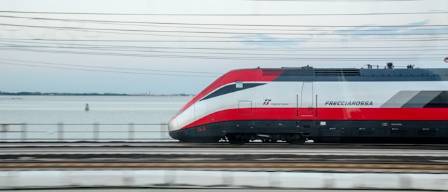
Mobile applications are becoming indispensable across both passenger and freight rail services, streamlining processes, enhancing convenience, and improving safety. In passenger rail, paper ticketing is rapidly being phased out in favor of smart ticketing platforms that allow users to plan journeys, compare fares, and purchase tickets directly through apps. These platforms also enable railroads to gather valuable customer data—such as travel patterns and common pain points—helping operators refine services and address inefficiencies. For example, the UK’s smartTIS system, developed by iBlocks, covers 20% of the nation’s rail stations and has facilitated over 30 million seamless journeys across rail and bus networks, integrating ticketing and real-time updates in a single app. For rail workers, mobile apps are enhancing safety and productivity: tools like Tracsis’ Digital Track Warrant replace error-prone voice communications with secure digital data exchange between maintenance crews and dispatchers, ensuring clear authorization for access to safe track points and reducing the risk of accidents. Other worker-focused apps provide real-time maintenance checklists, access to technical manuals, and emergency alert systems, empowering teams to work more efficiently and safely in the field.
5.Passenger Experience: From A-to-B to a Seamless Journey
A key priority for rail operators in 2025 is elevating the passenger experience to encourage greater adoption of commuter rail, moving beyond the basic goal of transporting people from point A to point B. Today’s passengers demand convenience, comfort, and connectivity throughout their journey—from ticket purchase to arrival—and next-generation technology is making this a reality. Amtrak’s new Acela fleet, operating between Washington DC and Boston, sets a high bar with features designed for modern travelers: spacious, ergonomic seats with ample legroom, personal power outlets and USB ports, complimentary high-speed Wi-Fi, and contactless restroom fixtures. Touted as Amtrak’s most environmentally sustainable fleet to date, the new Acela reaches speeds of up to 160mph (an increase from the previous 150mph), reducing travel times while minimizing carbon emissions. Beyond on-board amenities, rail operators are leveraging technology to eliminate friction points: real-time journey updates via apps, streamlined boarding processes with contactless ticketing, and improved accessibility features—such as wheelchair-accessible seating and audio announcements—ensure that the experience is inclusive and convenient for all passengers.
6.High Speed Rail: Gaining Momentum with New Projects and Fleets
2025 will see renewed focus on high-speed rail in the US, fueled by the launch of Amtrak’s upgraded Acela fleet and the construction of Brightline West—a transformative passenger rail service connecting Las Vegas to Greater Los Angeles. Brightline West promises to revolutionize regional travel with all-electric, zero-emission trains reaching top speeds of over 200mph, cutting the journey time to just over two hours—half the time of driving. While the service is not expected to be operational until 2028, its development has generated significant buzz and renewed interest in high-speed rail proposals across the country, including routes linking Dallas to Houston, Atlanta to Charlotte, and the Pacific Northwest’s Portland-Seattle-Vancouver corridor. These projects are supported by growing recognition of high-speed rail’s potential to reduce traffic congestion, lower carbon emissions, and enhance connectivity between major metropolitan areas. As technology advances and public-private partnerships expand, high-speed rail is poised to become a viable and sustainable alternative to air and road travel in key US regions.
7.Positive Train Control (PTC): Customized Solutions for Diverse Railroads
The adoption of Positive Train Control (PTC)—a safety-critical technology designed to prevent train collisions, overspeeding, and unauthorized track entry—is accelerating, with a growing emphasis on customized solutions tailored to the unique needs of different railroad sizes and types. The industry has moved beyond the “one size fits all” approach, recognizing that regional short lines, large freight railroads, and passenger transit agencies require PTC systems with varying levels of complexity and functionality. The latest generation of PTC systems are agile, reliable, and easily configurable, with seamless compatibility with third-party tools such as CAD platforms and Back Office Server (BOS) technologies. These advanced systems offer enhanced visibility, real-time data integration, and user-friendly interfaces, making them easier to implement and operate for railroads of all scales. For example, small regional railroads benefit from cost-effective, modular PTC solutions that can be scaled as their operations grow, while large freight railroads leverage fully integrated systems to manage complex networks with multiple trains and high traffic volumes.
8.Sustainability: Reducing Carbon Footprint with Green Technology
As the most sustainable form of high-volume transport—emitting up to 75% less carbon per ton-mile than trucks—railroads are doubling down on sustainability efforts to further reduce their environmental impact. A key trend in 2025 is the exploration of hydrogen fuel cell trains, which generate electricity by combining hydrogen and oxygen, producing only water vapor as a byproduct. While high initial costs currently limit widespread adoption, advancements in hydrogen production and fuel cell technology are expected to drive down prices, making these trains a viable alternative to diesel locomotives in the coming years. Other sustainability initiatives gaining traction include electric trains powered by renewable energy sources like solar and wind, and the installation of solar panels along rail tracks and on station buildings to power lighting, signaling systems, and station operations. Additionally, technologies like Computer Aided Dispatching optimize train routes and reduce dwell times, improving fuel efficiency and cutting emissions. These efforts align with broader industry and societal goals to combat climate change, positioning rail as a leader in sustainable transportation.
9.Predictive Maintenance: Proactive Asset Management to Prevent Failures
Railroads are increasingly shifting from reactive to proactive maintenance strategies, leveraging technology to monitor asset conditions in real time and prevent failures before they occur. IoT-enabled advanced analytics and Remote Condition Monitoring (RCM) systems play a central role in this shift, using sensors to capture data from critical assets—such as signaling equipment, locomotive engines, and track components—and transmitting it to cloud-based platforms for analysis. This allows rail operators to gain full visibility of their assets, even in remote or harsh environments, without the need for costly and time-consuming on-site inspections. For example, RCM sensors on signaling equipment can detect abnormal voltage fluctuations or mechanical wear, alerting maintenance teams to potential issues and enabling them to schedule repairs during off-peak hours to minimize service disruption. Predictive maintenance not only reduces downtime and repair costs but also extends the lifespan of rail assets, maximizing return on investment and ensuring safer operations for workers and passengers alike.
10.Automation: Streamlining Operations and Freeing Skilled Labor
Automation is rapidly transforming the rail industry, offering solutions to the pressure of delivering improved performance and efficiency while addressing labor shortages in skilled roles. While autonomous trains are capturing headlines—such as East Japan Railway’s announcement of driverless bullet trains reaching speeds of up to 170mph—many impactful automation use cases are more pragmatic, focusing on streamlining routine tasks. For example, robots are being deployed for infrastructure cleaning, track inspection, and maintenance, performing repetitive or hazardous work with greater precision and efficiency than humans. Automation also extends to back-office operations, with AI-powered systems handling tasks like freight scheduling, inventory management, and billing, reducing administrative burdens and human error. By automating routine work, railroads can free up skilled engineers and maintenance workers to focus on higher-value tasks—such as complex repairs, technology implementation, and strategic planning—enhancing productivity and job satisfaction. As automation technology matures and regulatory frameworks adapt, it will become an increasingly integral part of rail operations, driving efficiency and innovation across the industry.
Conclusion: Embracing Technology to Navigate the Future of Rail
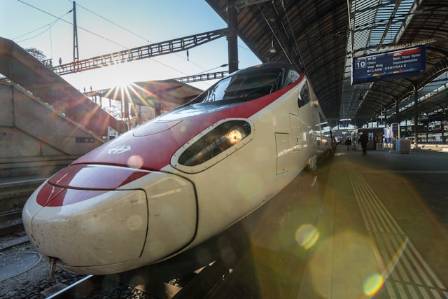
The ten trends outlined above underscore the US rail industry’s commitment to leveraging technology to overcome challenges and seize opportunities in 2025 and beyond. From IoT and AI to sustainability and automation, these advancements are interconnected, working in tandem to create a more efficient, safe, and customer-centric rail network. As rail operators continue to invest in these technologies, they will not only address immediate pressures—such as rising costs and ageing infrastructure—but also position themselves for long-term success in a rapidly evolving transportation landscape. For passengers, this means more reliable, comfortable, and sustainable travel options; for freight clients, it translates to faster, more cost-effective deliveries; and for the industry as a whole, it reinforces rail’s role as a critical pillar of the US transportation system. With leaders like Tracsis driving innovation in PTC, CAD, and other key technologies, the future of rail is poised to be smarter, greener, and more connected than ever before.