Publisert
Unlocking the Fountain of Youth: The Fascinating World of Ageless Species
Meet Jonathan, a Seychelles giant tortoise, a spry 190-year-old, and the "oldest living land animal in the world." While tales of long-lived turtles and other ectotherms (colloquially known as "cold-blooded" creatures) abound, scientific evidence supporting these legends has been sparse. Until now. The largest study on aging and lifespan, led by an international team of 114 scientists, and directed by Penn State and Northeastern Illinois University, has reshaped our understanding of aging, shedding light on species that seemingly defy the inexorable march of time.
Phoenix Knox
Signatur
Meet Jonathan, a Seychelles giant tortoise, a spry 190-year-old, and the "oldest living land animal in the world." While tales of long-lived turtles and other ectotherms (colloquially known as "cold-blooded" creatures) abound, scientific evidence supporting these legends has been sparse. Until now. The largest study on aging and lifespan, led by an international team of 114 scientists, and directed by Penn State and Northeastern Illinois University, has reshaped our understanding of aging, shedding light on species that seemingly defy the inexorable march of time.
This groundbreaking research has not only unveiled the secrets of slow aging but also identified certain species where aging is virtually nonexistent. Published in the journal Science, the study drew upon data from 107 populations of 77 diverse species of reptiles and amphibians, collected in their natural habitats.
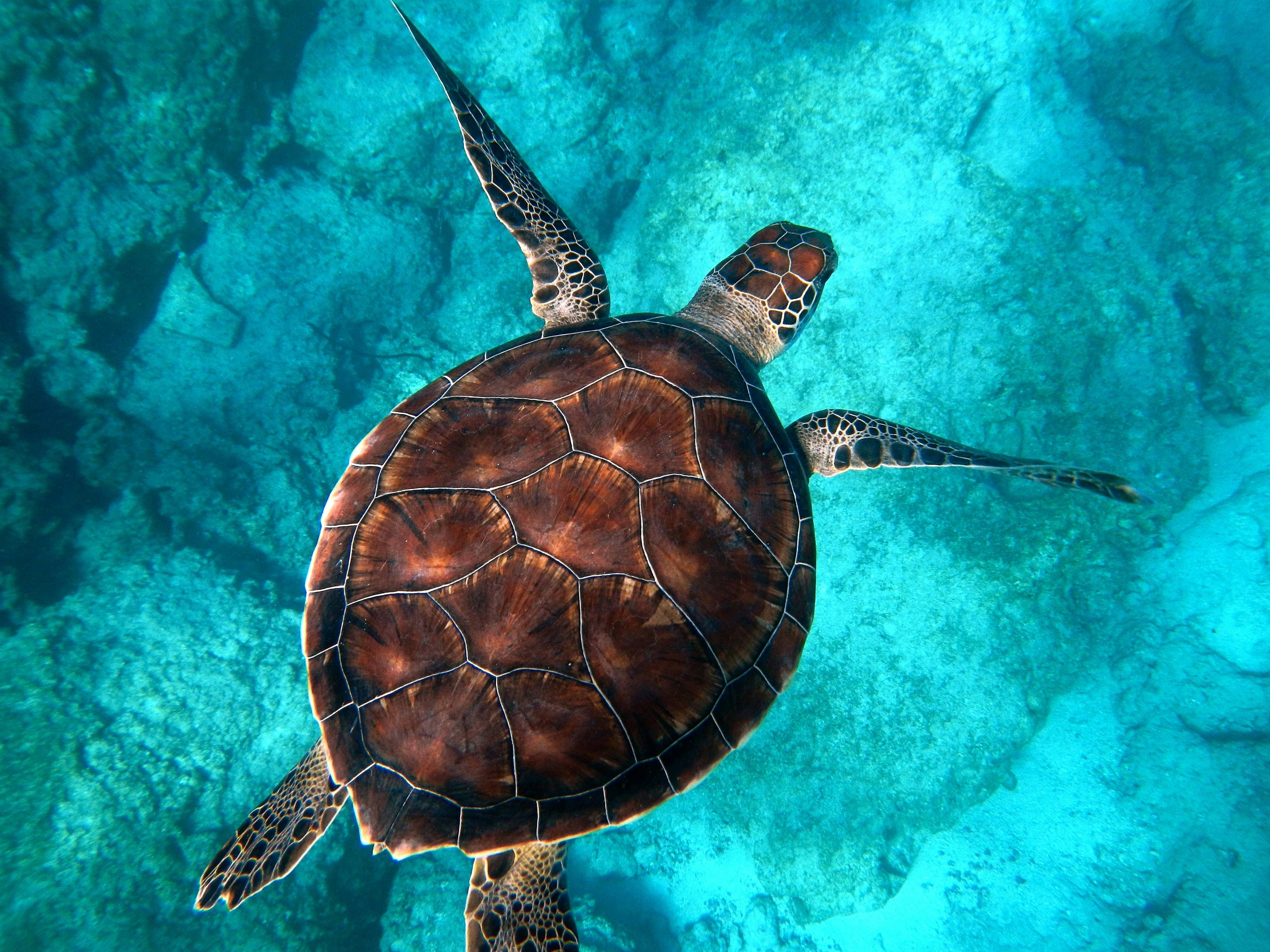
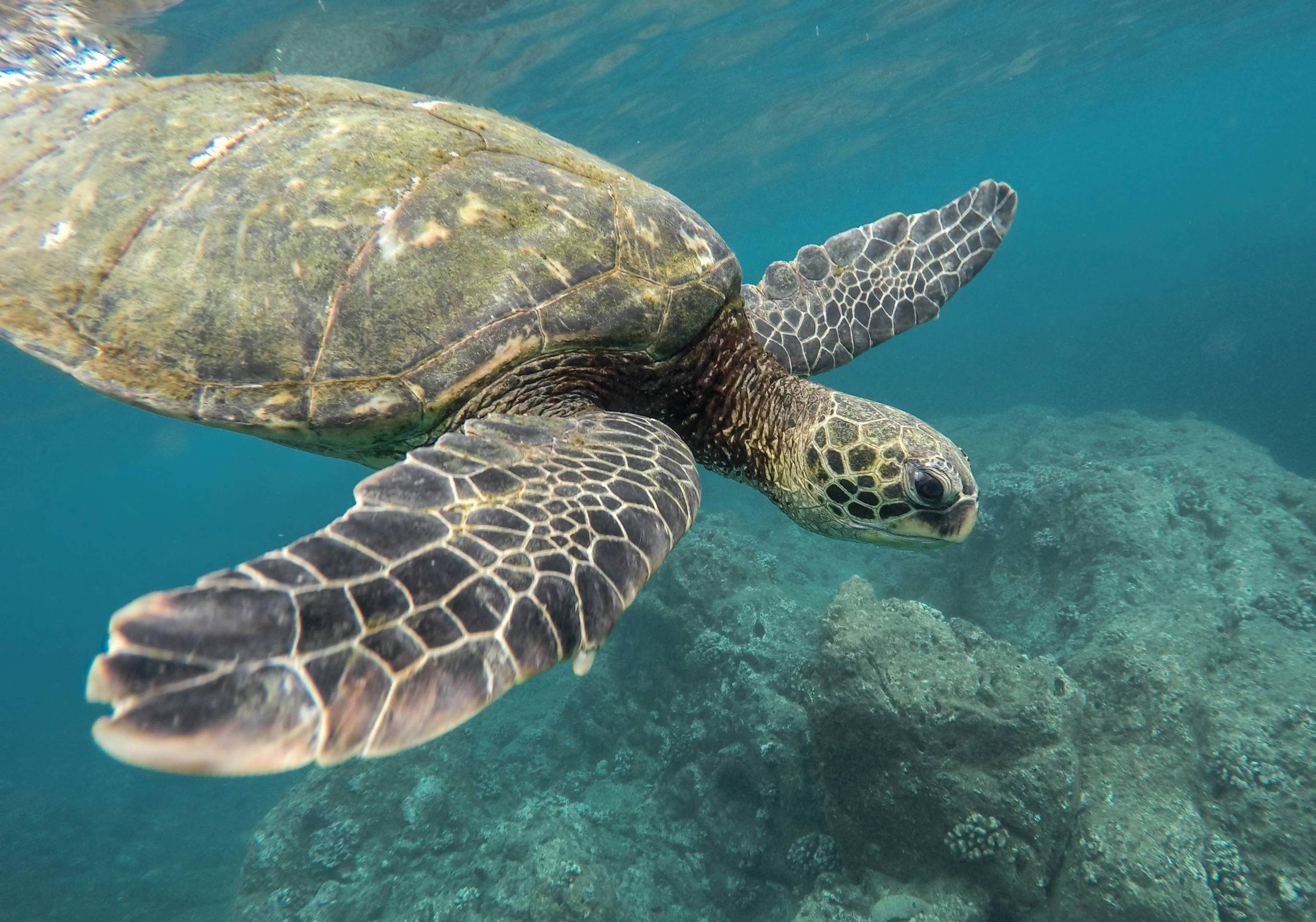
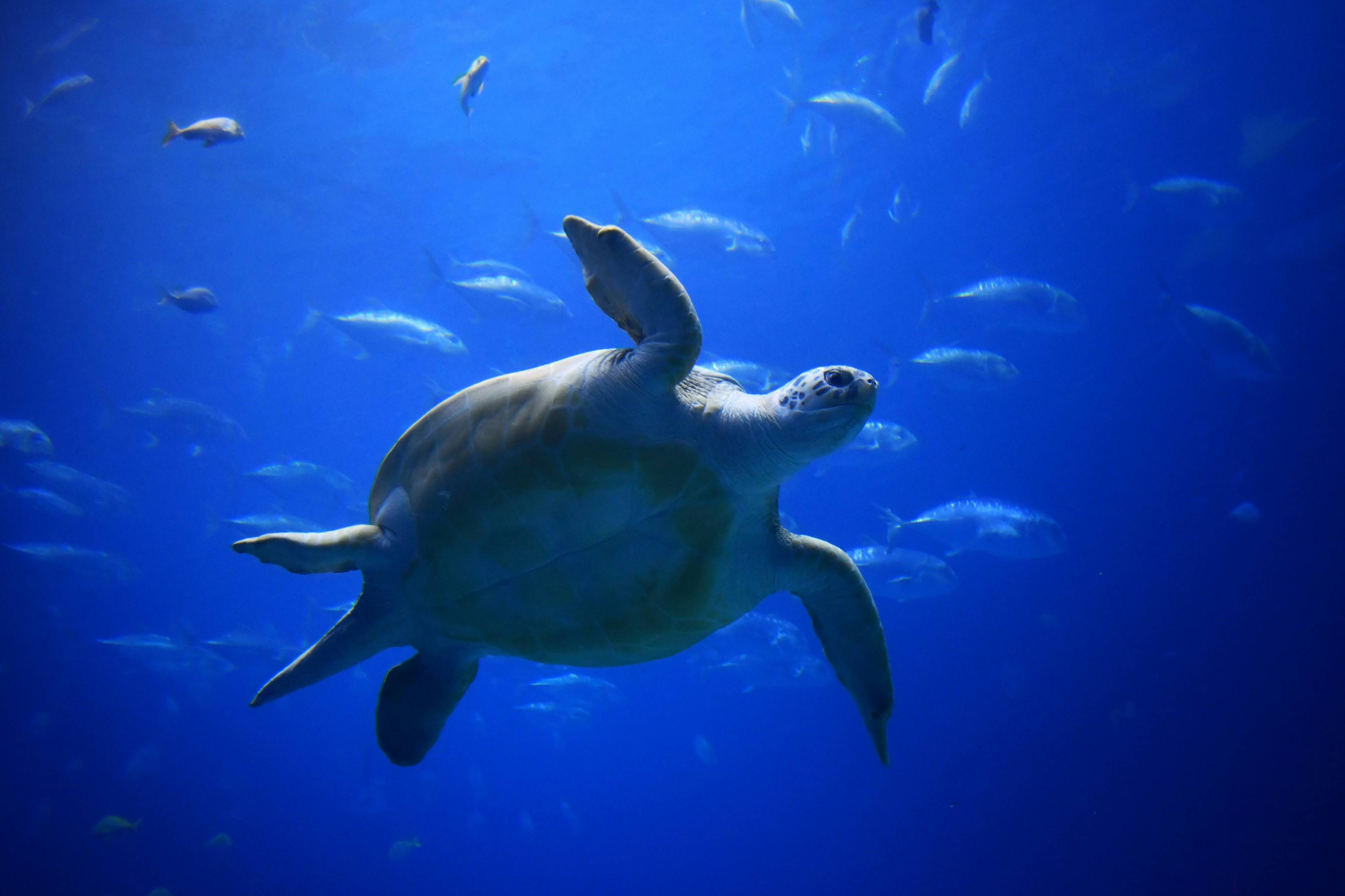
The team's revelations are monumental. They unveiled the astonishingly gradual aging and extended lifespans in salamanders, crocodilians, and turtles. These species, especially turtles with their sturdy shells, exhibit markedly slower aging and, in some cases, a phenomenon known as "negligible aging," where biological aging is almost non-existent.
David Miller, the senior author of the study and associate professor of wildlife population ecology at Penn State, emphasized the unprecedented scale of this research. He stated, "Anecdotal evidence exists that some reptiles and amphibians age slowly and have long lifespans, but until now no one has actually studied this on a large scale across numerous species in the wild. If we can understand what allows some animals to age more slowly, we can better understand aging in humans, and we can also inform conservation strategies for reptiles and amphibians, many of which are threatened or endangered."
The team employed a two-pronged approach, combining mark-recapture data with comparative phylogenetic analysis. This allowed them to assess aging and lifespan in ectotherms in their natural environments, comparing the findings with endotherms (warm-blooded animals) and challenging established assumptions regarding aging.
The "thermoregulatory mode hypothesis" suggested that ectotherms, which rely on external temperatures to maintain their body heat, tend to age more slowly due to their lower metabolisms compared to endotherms. However, the results of this study defied this assumption, revealing aging rates and lifespans among ectotherms that span both above and below the known aging rates for similarly-sized endotherms.
The "protective phenotypes hypothesis" offered another intriguing avenue for exploration. It posited that creatures equipped with protective physical or chemical attributes, such as armor, spines, shells, or venom, experience slower aging and greater longevity. The research team found compelling evidence supporting this theory. Protective traits indeed enable these animals to age more slowly, allowing them to live significantly longer, given their size, compared to counterparts lacking these protective phenotypes.
Anne Bronikowski, co-senior author and professor of integrative biology at Michigan State, elucidated the role of protective features. She said, "It could be that their altered morphology with hard shells provides protection and has contributed to the evolution of their life histories, including negligible aging – or lack of demographic aging – and exceptional longevity."
Beth Reinke, the first author and assistant professor of biology at Northeastern Illinois University, explained that protective mechanisms substantially reduce the mortality rates of these animals by safeguarding them against predation. This, in turn, exerts pressure for slower aging. The strongest support for this theory was found in turtles, reaffirming their unique status among ectotherms.
Remarkably, the study uncovered negligible aging in at least one species within each ectotherm group, including frogs and toads, crocodilians, and turtles. These species experience no significant increase in their risk of mortality with age, particularly after their reproductive phase.
The team's interdisciplinary collaboration, involving scientists from around the world, studying an array of species, was pivotal in achieving these unprecedented insights. Beth Reinke acknowledged this critical aspect, stating, "Being able to bring these authors together who have all done years and years of work studying their individual species is what made it possible for us to get these more reliable estimates of aging rate and longevity that are based on population data instead of just individual animals."
Anne Bronikowski also highlighted the broader implications of this research. She mentioned, "Understanding the comparative landscape of aging across animals can reveal flexible traits that may prove worthy targets for biomedical study related to human aging."
This study is a testament to the extraordinary diversity and adaptability of the animal kingdom. It reminds us that, amidst the realm of nature, age is not an unyielding sentence, and in certain species, time stands still.
Flere anbefalte saker

The Shift to Electric: The Dynamic Evolution of the Automotive Industry
The automotive sector finds itself at the crossroads of transformation, navigating the compelling shift toward Electric Vehicles (EVs). Fueled by global climate change imperatives, nations are under increasing pressure to meet environmental milestones, propelling a surge in demand for electric alternatives and prompting automakers to recalibrate their strategies.
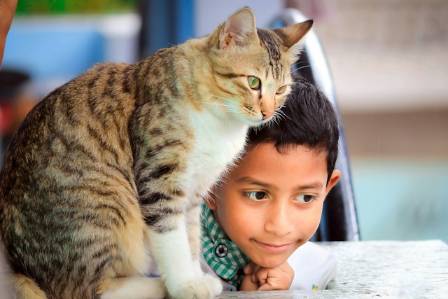
4 Healing Power of Animal Companionship in Therapy
The profound bond between humans and animals goes beyond mere companionship; it holds the remarkable ability to promote healing and enhance mental well-being. Animals, with their innate qualities, offer comfort and support that can significantly impact our lives.

Top 10 Most Stunning Waterfalls Around the World You Must See
Waterfalls are some of the most breathtaking natural wonders on Earth, offering travelers the chance to witness the raw beauty and force of nature. While world-renowned sites like Niagara Falls and Victoria Falls are impressive, there are countless other cascading gems worth exploring. From the icy landscapes of Iceland to tropical rainforests in Southeast Asia, these ten waterfalls showcase the diversity and majesty of the planet’s most captivating water features.
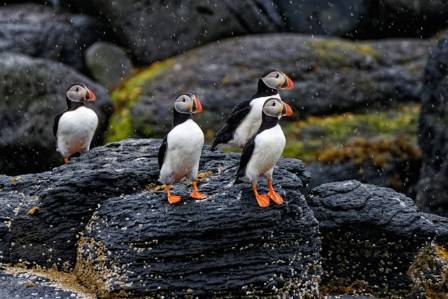
A Guide to Spotting Atlantic Puffins Along the Maine Coast
Atlantic puffins are among the planet's most iconic avian species, yet many are unaware that their habitat is restricted entirely to the North Atlantic. If you are planning a getaway to Maine, witnessing these charming seabirds in their natural environment is an essential experience. This guide provides all the necessary details for organizing an ideal birding excursion, featuring fascinating biological facts, conservation history, and the top locations for puffin sightings in the Pine Tree State.

The Next Generation of Transit: 12 Emerging Transportation Technologies
The landscape of human mobility is shifting toward an integrated, carbon-neutral, and autonomous network. Over the coming decade, innovation will prioritize efficiency, utilizing renewable energy to create accessible and affordable alternatives to traditional commuting. This evolution aims to eliminate travel-related congestion and pollution by embracing "mobility-as-a-service" models, ranging from autonomous air taxis to high-speed vacuum tubes.

6 Most Stunning and Distinctive Types of Tulips
When the warmth of spring arrives, tulip shoots begin emerging, signaling the season’s arrival. With over 1,000 tulip species in existence, their diversity is remarkable. To keep this variety organized, experts classify tulips into 15 main groups. Here, we highlight six of the most beautiful and distinctive types that bring charm to gardens and bouquets alike.
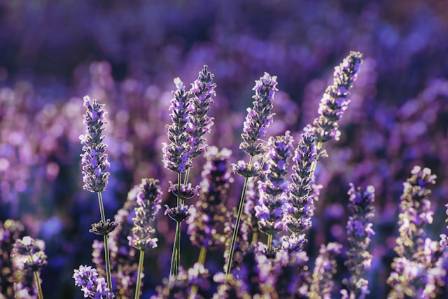
9 Flowers That Bloom Year-Round
While many flowers follow a seasonal cycle, there are some that bloom continuously throughout the year. Once you discover which flowers have this impressive ability, you might want to fill your space with them. After all, it’s common to feel a bit down when vibrant, colorful flowers fade away (so make sure to plant some winter blooms to keep the cheer alive).

Future Transport Technologies
The way we move around is on the verge of a major technological transformation. As cities become more connected and the need for faster, cleaner, and more efficient transport grows, innovators are imagining possibilities that were once purely science fiction.
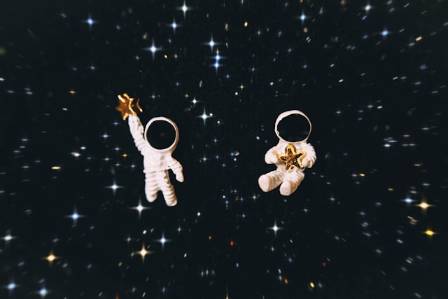
Handcrafted Space Exploration: How to Create DIY Astronaut Clay Figurines
Crafting miniature astronaut figurines using air-dry clay is a rewarding way to bring a touch of the cosmos into your home. These small sculptures make perfect desk companions, unique gifts, or themed decorations for a shelf. Because air-dry clay is forgiving and easy to manipulate, you can complete a small crew of space travelers in a single weekend.

Unlocking the Mysteries of the Milky Way: A Guide to Observation
Stars, those celestial beacons that capture the human gaze, are a source of perpetual fascination. Among the myriad wonders of the night sky, the Milky Way stands out as an awe-inspiring spectacle, etching a lasting impression on anyone fortunate enough to witness its cosmic beauty.