Publisert
The Next Generation of Transit: 12 Emerging Transportation Technologies
The landscape of human mobility is shifting toward an integrated, carbon-neutral, and autonomous network. Over the coming decade, innovation will prioritize efficiency, utilizing renewable energy to create accessible and affordable alternatives to traditional commuting. This evolution aims to eliminate travel-related congestion and pollution by embracing "mobility-as-a-service" models, ranging from autonomous air taxis to high-speed vacuum tubes.
Ian Channing
Signatur
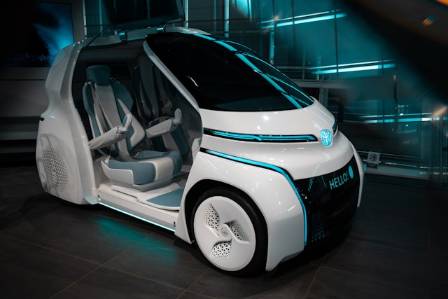
The landscape of human mobility is shifting toward an integrated, carbon-neutral, and autonomous network. Over the coming decade, innovation will prioritize efficiency, utilizing renewable energy to create accessible and affordable alternatives to traditional commuting. This evolution aims to eliminate travel-related congestion and pollution by embracing "mobility-as-a-service" models, ranging from autonomous air taxis to high-speed vacuum tubes.
The following list explores the technologies redefining how we move. While some remain in theoretical or testing phases, many are navigating the final regulatory hurdles before widespread deployment.
Aerial and Drone Innovation
Autonomous Aerial Vehicles (AAVs)
AAVs are pilotless aircraft designed specifically for human transport. Unlike standard hobbyist drones, these vehicles utilize GPS, inertial navigation, and a suite of onboard sensors to manage flight data. Most take the form of electric Vertical Take-Off and Landing (eVTOL) craft, which use rotors to ascend without a runway.
-
EHang 216: A driverless aircraft featuring 16 motors that can carry a 485-pound payload at 80 mph.
-
Wisk Aero Generation 6: A Boeing subsidiary project aiming for a 100-mile range with a four-passenger capacity by 2030.
Delivery Drones
Unmanned Aerial Vehicles (UAVs) are revolutionizing the "last-mile" delivery process. These flying robots use computer vision and AI to navigate residential drop-off points. Companies like Wing (an Alphabet subsidiary) and Zipline are already operating at scale, with Wing partnering with major retailers like Walmart to deliver goods in under 20 minutes. Amazon Prime Air has also expanded its hourly delivery service to several major U.S. metropolitan areas as of 2026.
Autonomous Ground Travel
Self-Driving Cars and Robotaxis
Autonomous vehicles use LiDAR, radar, and cameras to build 3D models of their environment, allowing them to navigate traffic without human intervention.
-
Tesla’s Full Self-Driving: A suite of features including "Smart Summon" and lane-changing assistance designed for continuous software evolution.
-
Mercedes-Benz DRIVE PILOT: The first system to achieve SAE Level 3 certification, permitting hands-free operation in specific regions.
-
Waymo One: A fully autonomous ride-hailing service currently operating in cities like Phoenix, San Francisco, and Los Angeles, having logged billions of miles in simulation.
Underground Tunnels
To bypass surface-level gridlock, engineers are revisiting subterranean transit. The Boring Company’s Las Vegas Loop utilizes 1.7 miles of tunnels to turn 25-minute walks into two-minute transit segments, moving thousands of passengers per hour in a weather-proof, green environment.
High-Speed and Magnetic Transit
Hyperloop
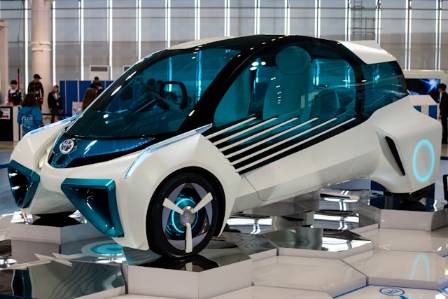
The hyperloop is a theoretical ground-level system where pressurized pods travel through low-pressure vacuum tubes. By using magnetic levitation to eliminate friction, these pods could theoretically reach speeds of 760 mph. Organizations like HyperloopTT and Virgin Hyperloop One have successfully conducted manned tests, proving the viability of pneumatic maglev travel.
Maglev Trains
Maglev (magnetic levitation) trains use superconducting magnets to glide on a cushion of air. Because they lack wheels, they are quieter and more efficient than traditional rail. The Shanghai Transrapid remains the world's fastest, reaching 270 mph, while Japan’s Linimo represents the first successful unmanned commercial urban maglev.
Urban Micromobility and Smart Infrastructure
Micromobility Solutions
This category focuses on lightweight, single-person vehicles like e-bikes and e-scooters that travel under 30 mph. Recent innovations include the Microlino, an electric micro-car designed specifically for urban density, and ALSO’s TM-Q, a modular cargo vehicle designed for commercial use in bike lanes.
Smart Roads
Smart roads integrate digital sensors and renewable energy into the physical infrastructure of a city.
-
Electreon: Uses copper coils under the asphalt to wirelessly charge electric vehicles while they drive.
-
Integrated Roadways: Employs "Smart Pavement" to detect traffic flow and hazards in real time, acting as a communication platform for future mobility services.
Theoretical Concepts: Flying Hotels and Hoverbikes
Sky Hotels
The "Sky Cruise Hotel" is a conceptual AI-piloted luxury facility designed to stay airborne for years using nuclear fusion engines. Similarly, Driftscape proposes a hospitality model consisting of detachable glass pods that allow guests to explore remote areas from a mobile aerial hub.
Personal Hoverbikes
Combining motorcycle aesthetics with VTOL technology, hoverbikes like the XTURISMO and the Jetson ONE offer a new form of personal flight. The Jetson ONE, constructed from carbon fiber and aluminum, is marketed as an approachable consumer vehicle with a top speed of 102 km/h and automated landing systems.
The Global Impact of Advanced Mobility
The primary driver of these technologies is the urgent need to eliminate carbon emissions. By replacing oil-dependent vehicles with electrified, shared, and automated systems, cities can prioritize safety and sustainability. As these innovations move from prototypes to everyday infrastructure, they promise a future where travel is not only faster but significantly more efficient.
Flere anbefalte saker

Unlocking the Fountain of Youth: The Fascinating World of Ageless Species
Meet Jonathan, a Seychelles giant tortoise, a spry 190-year-old, and the "oldest living land animal in the world." While tales of long-lived turtles and other ectotherms (colloquially known as "cold-blooded" creatures) abound, scientific evidence supporting these legends has been sparse. Until now. The largest study on aging and lifespan, led by an international team of 114 scientists, and directed by Penn State and Northeastern Illinois University, has reshaped our understanding of aging, shedding light on species that seemingly defy the inexorable march of time.

A Juicy Guide to Popular Cherry Varieties and How to Enjoy Them
Cherries are a cheerful sign of early summer, often arriving at farmers markets before any other stone fruit. These small treats, packed with flavor, contain a hard inner pit—sometimes mistaken for the seed, which actually lies inside the stone. Whether you enjoy them fresh by the handful or incorporated into recipes, cherries offer a world of flavor. While there are hundreds of varieties grown across the United States, here are six of the most familiar and widely enjoyed.

Unveiling 6 World's Most Deadly Creatures
In a world teeming with a staggering diversity of 1.2 million species, the quest to identify the most dangerous animal is a compelling inquiry. Contrary to popular expectations fueled by Hollywood depictions, the deadliest adversaries to humans often emerge in diminutive forms, wielding lethal prowess through disease, venom, and other subtle means.

10 Must-see Spots When Visiting Waterfront Buildings In Hong Kong
No landmark defines the city more than the spectacular panorama of Victoria Harbour. In many ways, the harbour is where Hong Kong began. The deep-water channel separating Hong Kong Island and the Kowloon Peninsula provided the foundation for a cluster of fishing villages to evolve into a global hub of commerce.
Top 10 Air Shows Worldwide
The exhilarating displays of mid-air stunts at air shows captivate audiences, making these events a must-see for aviation enthusiasts and casual spectators alike. With numerous air shows occurring globally each year, we've curated a list of the best ones.

Mount Blue Sky Scenic and Historic Byway
The Mount Blue Sky Scenic and Historic Byway, formerly known as the Mount Evans Scenic Byway, offers a breathtaking journey through Colorado's diverse landscapes. This 49-mile route climbs more than 7,000 feet in just 28 miles, reaching an elevation of 14,130 feet—the highest paved road in North America.

Sunflower: History, Uses, and Plant Details
Sunflower is the leading oilseed crop in Europe and North America, where it was originally domesticated and cultivated during the first millennium B.C. Native Americans utilized various parts of wild sunflowers for medicinal and culinary purposes. Initially, sunflowers were mainly spread worldwide as decorative plants. The crop became a crucial oilseed globally after Russian breeders developed the Mammoth Russian variety around 1860, which increased the size of the flower heads and boosted the seed oil content from 28% to nearly 50%. These improved varieties were later reintroduced to the United States in 1893. Over the past 3,000 years, the size of sunflower seeds has grown by 1,000%.

Astronaut Illustration
Using classical methods and a keen attention to detail, my traditional astronaut illustrations aim to capture the grandeur and solitude of space exploration while evoking a sense of nostalgia.

Handcrafted Space Exploration: How to Create DIY Astronaut Clay Figurines
Crafting miniature astronaut figurines using air-dry clay is a rewarding way to bring a touch of the cosmos into your home. These small sculptures make perfect desk companions, unique gifts, or themed decorations for a shelf. Because air-dry clay is forgiving and easy to manipulate, you can complete a small crew of space travelers in a single weekend.

8 Reasons Why Radio Remains Relevant Today
Is radio still a relevant medium in the age of digital dominance? The answer is a resounding yes. Despite the rise of digital platforms, radio has not only endured but continues to thrive. Here are ten compelling reasons why radio remains a relevant and influential force in the media landscape: