Publisert
A Beginner’s Guide to Hiking in the Desert
Great news! Your first desert trip is booked and marked on the calendar. As you start getting your hiking boots ready and daydreaming about red rock landscapes, it’s important to think about how a desert hike differs from trails in the mountains.
Lily Thompson
Signatur
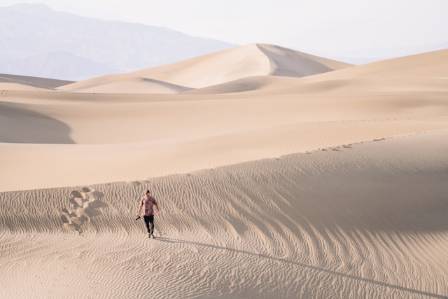
Great news! Your first desert trip is booked and marked on the calendar. As you start getting your hiking boots ready and daydreaming about red rock landscapes, it’s important to think about how a desert hike differs from trails in the mountains.
Desert scenery offers some of the most unique and dramatic hiking experiences in the world, but this terrain can be dangerous, even life-threatening—for hikers who aren’t prepared. Every year, many people lose their lives to heat stroke and dehydration, but most of these tragedies can be prevented with basic knowledge of desert conditions and proper preparation.
To help you feel ready to safely tackle your first desert adventure, we’ve put together our top tips for staying safe while hiking in these unique environments. It’s worth noting that many of these tips can vary depending on the region, season, and specific trail, but they serve as a reliable “general rule” for desert safety during your next southwest trip.
Hydration & Salty Snacks Are Key
With little shade, extremely high temperatures, and scarce natural water sources, the desert is an unusually harsh environment. Packing more water than you think you’ll need is essential for staying properly hydrated and avoiding the risks of heat stroke. The National Park Service suggests drinking a gallon of water per day in their Southwest parks, but this amount will be even higher if you’re hiking long distances or venturing out during the peak summer heat.
In addition to water, bringing electrolyte drinks (such as Gatorade or Propel) will help replace the minerals your body loses through sweat during the hike.
Finally, it’s important to eat salty snacks throughout the day to replenish what you sweat out—surprisingly, potato chips and even cookies can be helpful during desert hikes. Pair these salty treats with protein and whole grains to maintain long-lasting energy, and you’ll have the stamina to keep going throughout your hike.
Hike During “Off-Times”
While summer is the perfect season for hiking high alpine peaks and mountain trails, it’s a dangerous time to hike in the desert. Daytime temperatures often reach 100°F (38°C) or higher, so many hikers choose to explore during autumn, winter, or spring to avoid the hottest months. No matter which season you visit, the general rule for desert hiking is to head out early in the morning or late in the afternoon.
It might be tempting to hike during the middle of the day to cover more miles, but experienced desert hikers avoid the peak heat and take advantage of any shade available during these “off-peak” hours. If you’re planning an all-day hike or a longer backpacking trip, many hikers take a long break in a relatively shady spot during the hottest part of the day to avoid expending energy in the intense afternoon sun. After napping, rehydrating, and refueling, they often continue hiking until after sunset to maximize the distance they cover each day.
Another benefit of this approach is that trails are usually less crowded in the early morning and late afternoon. Plus, if you time it right, you’ll get a front-row seat to the famous, vibrant sunrises and sunsets that deserts are known for.
While keeping an eye on daytime high temperatures is crucial for safety, it’s also important to remember that deserts get cold at night—temperatures can sometimes drop by more than 40°F (4°C) once the sun goes down. Even though this cool air might feel refreshing after a day of hiking in the sun, it’s wise to pack a light jacket or some kind of insulating layer if you plan to camp or hike into the night.
Clothing & Sun Protection
It might seem obvious, but wearing the right clothing and using sun protection are vital for staying safe on a desert hike. When it comes to sun protection, sunglasses, sunscreen, wide-brimmed sun hats, and loose-fitting synthetic clothing will help keep you as cool as possible while shielding your body from the intense desert sun. Use a high-SPF sunscreen and reapply it every 1–2 hours to prevent sunburn and sun poisoning.
It might sound counterintuitive, but wearing a light-colored long-sleeve shirt can actually help protect your skin and keep you cool by blocking direct sunlight. Always avoid cotton in the desert if you can—instead, opt for loose-fitting synthetic fabrics, which wick away sweat and dry quickly.
It’s also important to steer clear of dark-colored hats and shirts. Dark hues absorb sunlight, which will make your body hotter throughout the day. Light-colored tank tops, long-sleeve shirts, and sun hats are essentials that should always be in your pack for a desert hike.
Watch For Unique Desert Wildlife
While mountain hikers worry about bears and mountain lions, desert hikers need to stay alert for different kinds of dangers on the trail. Scorpions, tarantulas, venomous lizards, and rattlesnakes are experts at blending into desert landscapes, and all of them can be potentially deadly. Whenever possible, avoid putting your hands in cool, damp spots (like crevices while rock climbing or scrambling), and always check your sleeping bag and boots before using them.
Cacti are easier to spot, but they can be just as harmful. Cactus spines can cause intense pain and infection if removed incorrectly, so it’s important to carry basic desert first-aid supplies, such as sturdy tweezers and disinfectant. Always be careful where you sit, set up your camp, and place your backpack.
Plan Ahead For Water Sources
Water sources are rare in many desert areas, which can make refilling your water bottles a challenge. It’s always recommended to carry more water than you think you’ll need, even a few hours without hydration in the desert sun can be life-threatening.
Bringing a reliable map or navigation app (like Guthooks) is essential for planning your water refills. Paper maps can help you locate streams, creeks, and rivers, but real-time comments from app users can tell you if these sources are still flowing or have dried up for the season. Plan ahead before you leave town, and bring extra water bottles or hydration bladders to carry additional water.
Some desert trails have water cache systems that are restocked by “trail angels” (volunteers who help hikers). While these caches are great safety nets during long, dry stretches of trail, you should never rely on them completely, there’s no way to know if fresh water will still be available when you arrive.
No matter how you plan for water in the desert, always expect to carry a large amount in case your “Plan A” water source is dry. Prepare for the heavier load by choosing more compact gear, which will leave extra space in your pack for water bottles.
Know The Symptoms of Heat Stroke & Heat Exhaustion
Both heat stroke and heat exhaustion are dangerous conditions that can occur when hiking in extreme temperatures. While both can develop into serious medical issues, these heat-related illnesses can be prevented by limiting time in the sun and staying properly hydrated.
Heat exhaustion happens when your body overheats after spending a long time in hot conditions, especially if combined with high humidity or strenuous activity. If you or a hiking partner shows signs of heat exhaustion, move to an air-conditioned space or a shady area as quickly as possible. Remove any tight clothing and encourage the person to drink fluids (avoid alcohol, caffeinated tea, coffee, or soda). Cold showers or cold compresses can also help ease symptoms significantly. Most people recover from heat exhaustion without medical help, but call 911 if vomiting lasts for a long time. If left untreated, heat exhaustion can lead to heat stroke, so it’s important to act as soon as symptoms appear.
Heat Exhaustion Symptoms:
Cool, damp skin with goosebumps (even in hot weather)
Heavy sweating
Faintness
Dizziness
Fatigue
Weak, rapid pulse
Low blood pressure when standing
Vomiting
Muscle cramps
While most people recover quickly from heat exhaustion, heat stroke is much more serious. Heat stroke occurs when your body temperature rises so high that it can no longer cool itself down. It’s life-threatening because it can damage the brain and other organs. If you suspect you or a hiking partner has heat stroke, call 911 immediately. While waiting for medical help, move the person to a cooler area and use a cold compress if available. Pay attention to the person’s mental state—if they seem confused or disoriented, think twice before giving them water, as they could choke if the illness has affected their ability to swallow.
Heat Stroke Symptoms:
A core body temperature of 104°F (40°C) or higher
Altered mental state or unusual behavior (e.g., confusion, agitation)
Lack of sweating
Nausea and vomiting
Flushed skin
Rapid breathing
Fast heart rate
Headache
Hiking in the desert comes with more challenges than mountain trails, but it can make you feel like you’re in a whole other world. With proper preparation and research, you’ll be able to enjoy the sights and sounds of the desert while making sure you return safely to share your adventure. Stay smart, plan ahead, and savor your trip to this uniquely beautiful and awe-inspiring landscape.
Flere anbefalte saker

15 Rose Varieties for Your Garden
Roses (Rosa rubiginosa), members of the Rosaceae family, are some of the most beloved flowering shrubs for garden design. The Rosa genus contains over 300 species of woody perennials, with thousands of cultivated varieties derived from these species. While wild roses are native to nearly every continent, most garden roses today are hybrid cultivars developed over generations, often sold under unique cultivar names rather than original species.

Harvest Season Around the World: 8 Culinary Traditions in September & October
Traditionally, the harvest season marks the period from late summer into autumn when crops reach maturity and are gathered from the land. In much of the Northern Hemisphere, this occurs during September and October, when vineyards produce grapes for wine, olive groves yield their fruit, rice paddies shimmer before being cut, and forests offer their prized mushrooms.

The Next Generation of Transit: 12 Emerging Transportation Technologies
The landscape of human mobility is shifting toward an integrated, carbon-neutral, and autonomous network. Over the coming decade, innovation will prioritize efficiency, utilizing renewable energy to create accessible and affordable alternatives to traditional commuting. This evolution aims to eliminate travel-related congestion and pollution by embracing "mobility-as-a-service" models, ranging from autonomous air taxis to high-speed vacuum tubes.

Unlocking the Mysteries of the Milky Way: A Guide to Observation
Stars, those celestial beacons that capture the human gaze, are a source of perpetual fascination. Among the myriad wonders of the night sky, the Milky Way stands out as an awe-inspiring spectacle, etching a lasting impression on anyone fortunate enough to witness its cosmic beauty.

A Step-by-Step Guide to Drawing an Acoustic Guitar
Learning to draw an acoustic guitar can be a rewarding experience for artists of any level. By breaking the instrument down into simple geometric shapes, you can construct a realistic and proportionate sketch. This guide will walk you through the fundamental steps.
Best Large Vans
The large van segment has been one of the fastest-growing areas in the automotive industry over the last five years. This growth has largely been driven by the rise in home deliveries and strong performance in the construction sector. But which van is the right choice for your business? Here’s our ranking of the top five large vans currently available in the UK.

11 Essential Tips for Night Sky Photography
As light pollution continues to spread, more people are seeking out the profound beauty of truly dark skies. Protected natural areas offer ideal settings to immerse yourself in the timeless wonder of a star-filled night.
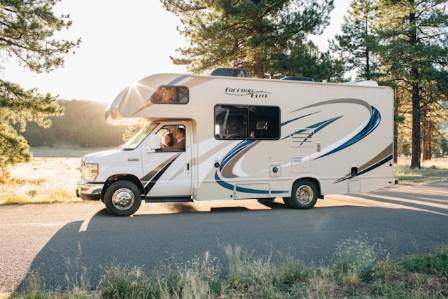
10 TIPS FOR MOTORHOME AND CAMPERVAN NEWBIES FOR 2025: TURNING YOUR FIRST ADVENTURE INTO A MEMORABLE JOURNEY
Embarking on your first motorhome or campervan trip is an exhilarating mix of freedom and discovery, but a little preparation goes a long way in avoiding stress. These 10 tailored tips will help you navigate roads, stay safe, and savor every moment of your 2025 adventure—whether you’re heading to remote outbacks, coastal highways, or lush forests.

A Juicy Guide to Popular Cherry Varieties and How to Enjoy Them
Cherries are a cheerful sign of early summer, often arriving at farmers markets before any other stone fruit. These small treats, packed with flavor, contain a hard inner pit—sometimes mistaken for the seed, which actually lies inside the stone. Whether you enjoy them fresh by the handful or incorporated into recipes, cherries offer a world of flavor. While there are hundreds of varieties grown across the United States, here are six of the most familiar and widely enjoyed.

Traditional Hot Grass Jelly: A Soothing Herbal Dessert Guide
Hot Grass Jelly is a time-honored warm treat characterized by its deep, herbal broth and an assortment of customizable additions. Known for its velvety texture and subtle sweetness, this dish is a hallmark of winter dessert menus. Unlike the firm, chilled cubes found in summer refreshments, the heated version offers a mellow, rounded flavor profile that emphasizes its natural botanical notes while providing a comforting mouthfeel.