Publisert
Essential Techniques for Boneless Flower and Bird Painting
Boneless painting is a traditional Chinese art form that bypasses rigid outlines, relying instead on direct applications of ink and color to define shape and spirit. This method requires a sophisticated grasp of moisture control and brush pressure to capture the fleeting beauty of nature. From the delicate curve of a petal to the sturdy grip of a bird’s claw, every element is rendered through fluid washes and rhythmic strokes that emphasize vitality over literal representation.
Dominic Sawyer Hayes
Signatur
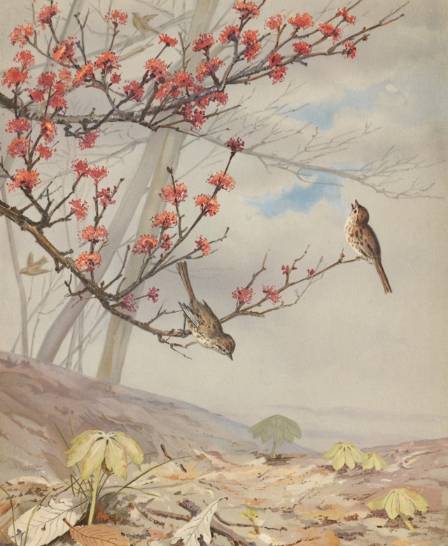
Boneless painting is a traditional Chinese art form that bypasses rigid outlines, relying instead on direct applications of ink and color to define shape and spirit. This method requires a sophisticated grasp of moisture control and brush pressure to capture the fleeting beauty of nature. From the delicate curve of a petal to the sturdy grip of a bird’s claw, every element is rendered through fluid washes and rhythmic strokes that emphasize vitality over literal representation.
Mastering Floral Subjects Without Outlines
When painting flowers in the boneless style, the approach varies significantly between single-petaled and multi-layered blossoms. For single-petaled flowers, such as hibiscus or plum blossoms, the focus is on the transition of color within a single stroke. By dipping the brush tip into white and touching the edge with crimson, an artist can create a natural gradient that defines the petal’s form. While the paint is still moist, a water-soaked brush can be used to diffuse the pigment, adding a soft, organic feel.
In contrast, multi-petaled flowers like peonies require a structural, layered strategy. The process begins at the heart of the bloom, working outward in stages to maintain a sense of unity. The goal is to avoid a fragmented appearance by focusing on the overall spherical volume. The final "awakening" of the flower occurs when the stamens are added; using contrasting colors like yellow-white on dark petals or deep crimson on pale ones adds the necessary spark of life.
Techniques for Foliage and Branch Work
Leaves in boneless painting are brought to life through two primary methods. The "vein-reserving" style is ideal for large foliage like lotus pads, where thin strips of white paper are left untouched to serve as veins. This requires careful wash placement to ensure the gaps follow the leaf's natural growth. For smaller leaves, the "vein-defining" method is used: the leaf is painted as a solid dot of color first, and the veins are later sketched over the top with ink to break the flatness and add texture.
The rendering of branches depends on the desired texture. Woody stems gain an aged, organic look through "water-color buildup," where watery ochre or green is added to wet ink sketches to create mottled patterns. For a more rugged, weathered appearance, the "outline-texture" approach uses a dry brush and swift strokes to achieve a "flying white" effect, mimicking the natural cracks in bark. Additionally, vines act as the connective tissue of a composition; their fluid, curving lines are planned early to ensure a dynamic sense of movement across the piece.
Rendering Avian Vitality and Softness
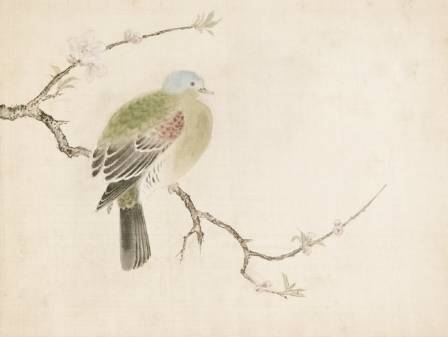
Extending the boneless technique to birds requires a masterful handling of translucent layers to suggest volume and feather texture. The process often begins with the eyes and beak to anchor the bird's presence. Using fresh, dark ink for the pupils is critical, as stale ink lacks the necessary luster. For birds like the kingfisher, indigo washes are layered on the head and wings, while a "split-brush" technique—where the bristles are separated—is used to thread fine lines that mimic delicate plumage.
Warmth and depth are achieved by applying diluted ochre to the breast and underbelly, creating a pleasing contrast with cooler wing tones. To imply the softness of a sparrow, artists often layer white silk-threading strokes over a pale yellow base, lifting some of the "hairs" to suggest fluffiness. This soft underbelly stands in stark contrast to the sturdy, dark-ink claws, which must appear to firmly grip their perch.
The Role of Secondary Elements and Composition
Secondary elements like stones and grasses are essential for creating a balanced, harmonious world. In boneless painting, rocks are not outlined but built through dry-brushing and layered washes to convey weight and geological logic. They serve as a visual anchor; where flowers are dense, the stones should be simple, providing a place for the viewer’s eye to rest.
Grasses and reeds are used to fill voids and guide the viewer's gaze through the composition. Even these "minor" details require botanical accuracy in their joints and growth angles. By alternating blade lengths and letting stems cross dynamically, the artist creates a rhythmic "dance" that feels inevitable rather than merely decorative. The success of the final piece lies in this restraint—knowing where the ink should pool and where the emptiness should speak, allowing the imagination to complete the scene.
Flere anbefalte saker
10 Timeless Seascapes: Masterpieces of Marine Art
The ocean, with its boundless expanse and ever-shifting moods, has long been a wellspring of inspiration for artists across eras and cultures. It embodies tranquility and fury, hope and despair, serving as both a backdrop and a powerful metaphor in artistic creation. Below, we explore ten iconic seascape masterpieces that not only showcase extraordinary technical skill but also capture the profound connection between humanity and the marine world.

Top 10 Destinations to Admire Fall Foliage in 2025
When the leisurely days of summer fade away and a crisp chill creeps into the air, there’s no need to feel gloomy. Autumn stands as nature’s most dazzling season—a final, vibrant flourish before winter’s harsh winds take over.

The World’s Fastest and Most Impressive Metro Systems
Zipping through underground tunnels at breakneck speed or gliding quietly beneath a bustling metropolis, metro systems have become the lifelines of modern cities. But not all subways are created equal—some are designed for raw velocity, others for clockwork precision, while a few boast networks so vast they resemble underground nations of their own. From Shanghai’s record-shattering Maglev to Tokyo’s famously flawless network, these urban marvels redefine what it means to move millions every single day.
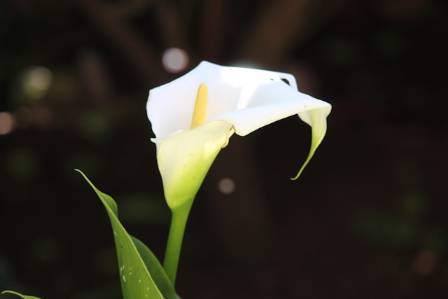
How to Plant and Cultivate Calla Lilies for Striking Blooms Indoors or Outdoors
With their elegant, goblet-shaped blossoms, calla lilies (Zantedeschia spp.) add a refined touch to gardens and indoor displays alike. Outdoors, they behave as tender perennials, flourishing in garden beds, borders, and containers, and typically reaching between 1 and 3 feet in height. Indoors, they perform best in areas with bright, indirect sunlight. Their flowers range from pure white to shades of pink, yellow, orange, rose, and deep maroon, and some varieties feature charming white speckles on their foliage. Below is a complete guide to cultivating and caring for calla lilies both inside and out.
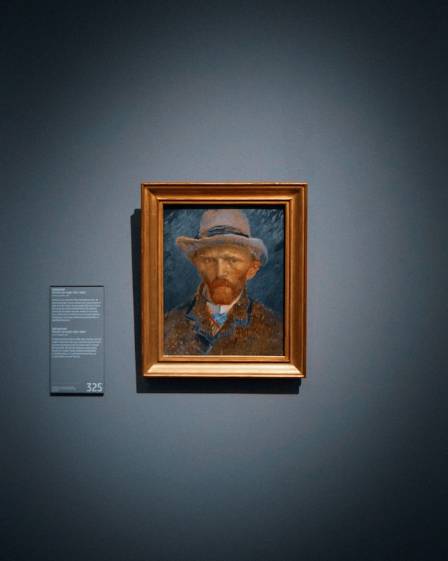
A Gallery of Beauty: A Survey of Male Portraiture in Art
Guided by an appreciation for artistic excellence, this collection celebrates the diverse representation of male beauty throughout art history. The following categories offer a structured exploration of this rich visual tradition.

Things to Do at Moraine Lake, Canada
Tucked away in the heart of Banff National Park in Alberta, Canada, Moraine Lake is one of the most stunning alpine lakes in the world. With its brilliant turquoise waters, the famous “Valley of the Ten Peaks” as a backdrop and the ever‑changing light of the Canadian Rockies, the lake offers a truly unforgettable experience.
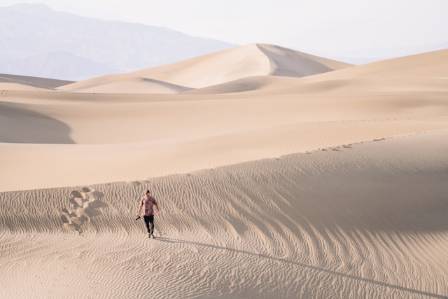
A Beginner’s Guide to Hiking in the Desert
Great news! Your first desert trip is booked and marked on the calendar. As you start getting your hiking boots ready and daydreaming about red rock landscapes, it’s important to think about how a desert hike differs from trails in the mountains.

Handbag Styling: How to Style Your Bags for Different Functions & Looks
To style handbags for various occasions, start by considering the environment, the season, and the mood of your outfit. Modern minimalist bags—like quilted backpacks, woven totes, and crossbody purses—complement both casual and professional wardrobes across all seasons.
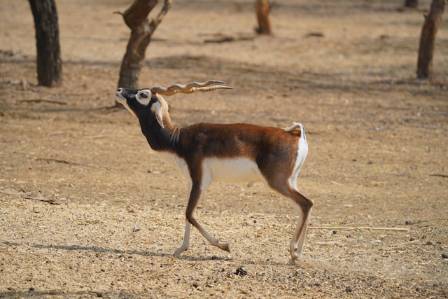
The Blackbuck India’s Iconic Antelope Facts Habitat and Significance
The Blackbuck (scientific name: Antilope cervicapra) is a striking antelope species native to the Indian subcontinent, thriving mainly in India and parts of Pakistan. Renowned for its distinctive spiral horns and striking differences between males and females, this antelope stands out among its relatives. Adult males boast bold black-and-white coloring, with their dark coats deepening as they mature, while females and young males have lighter, brownish-yellow fur. Beyond its visual appeal, the Blackbuck plays a key role in grassland ecosystems, though it faces threats from human activity. This guide explores its physical traits, habitat, behavior, and the importance of conserving this iconic species.

The Shift to Electric: The Dynamic Evolution of the Automotive Industry
The automotive sector finds itself at the crossroads of transformation, navigating the compelling shift toward Electric Vehicles (EVs). Fueled by global climate change imperatives, nations are under increasing pressure to meet environmental milestones, propelling a surge in demand for electric alternatives and prompting automakers to recalibrate their strategies.