Publisert
Exploring the Interplay Between Architectural Design and Cultural Influence
The arrangement of space within a structured environment has long been debated in architectural discourse, with proponents arguing that it serves as a profound reflection of societal values and traditions. Consequently, diverse cultures manifest themselves through distinct spatial models.
Liam Everett
Signatur

The arrangement of space within a structured environment has long been debated in architectural discourse, with proponents arguing that it serves as a profound reflection of societal values and traditions. Consequently, diverse cultures manifest themselves through distinct spatial models. Recognizing that cultural information, alongside factors related to the physical environment, significantly shapes city layouts and specific building designs, architecture emerges as a cultural catalyst—a tangible indicator of the civilization it represents. Furthermore, it endeavors to encapsulate the essence of a particular era through spatial configurations using materials and technological innovations characteristic of that time.
In order to define architecture in a contemporary context, Özer (2009) proposes a comprehensive perspective: "The ability to shape spatial designs to support and resonate with the activities that engage a community, emotionally grounded within the real needs and possibilities of a specific society." This definition encapsulates the dynamic relationship between architecture and culture, acknowledging the reciprocal influence they exert on each other.

Architecture as a Cultural Touchstone for Civilization
Undoubtedly, architecture stands out as a primary manifestation of cultural impact on civilization. In essence, it is a fundamental human endeavor that not only shapes culture but also serves as a marker for the civilization it embodies. The interplay between culture and technology fundamentally influences the ways people live, and this, in turn, is reflected in the architectural landscape.
Physical structures, whether a neighborhood of houses or the layout of an entire town, serve as tangible reflections of culture. This becomes evident when examining the distinctive designs of mohallas in Indian villages or the emergence of multi-storey buildings in contemporary urban settings. Culture, encompassing ideas, values, practices, knowledge, and morals accumulated over time, finds expression through various mediums, including language, art, and notably, architecture.
Cultural References Embedded in Architectural History
In certain cities, architectural designs serve as reflections of local culture. The Egyptian pyramids, for instance, provide insights into the historical narrative of Egypt, influenced by the environment and culture of ancient times. Similarly, Mecca's transformation from a desert to a significant cultural and religious center with the construction of the Mosque Al-Ka’aba highlights the symbiotic relationship between architecture and culture.
Monuments such as the Taj Mahal, Khajuraho Temple, Ajanta Ellora Temples, and the Madurai Temple in India stand as architectural gems, embodying cultural expressions throughout history. Each structure narrates a unique story, capturing the essence of the cultural beliefs and practices prevalent during its construction.
Role of Technology in Shaping Architectural Design
The influence of technology on architecture is undeniable, contributing to variations in architectural styles across countries, regions, and cities. Technological advancements in building processes, transportation, and materials have led to dynamic changes in architectural design, with technology often serving as the ultimate arbiter of aesthetics and semantics.
Even within a single century, architectural styles can vary significantly due to technological progress. This is evident in the evolution of steel-frame homes, reflecting a more comprehensive understanding of the intricate relationship between architecture and culture.
The Blue City of Jodhpur: Cultural Influences on Architecture

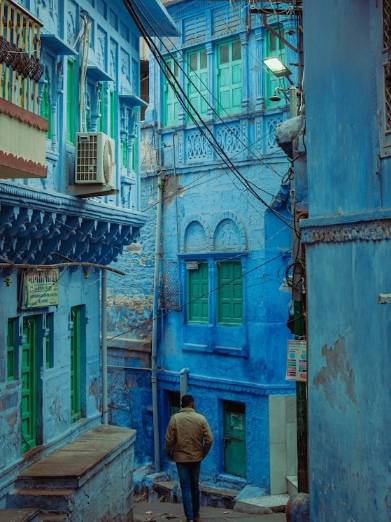
Examining the cultural influences on architecture in India, particularly in spaces like the "blue city" of Jodhpur, reveals the profound impact of cultural practices on residential areas and places of worship. The architecture of Jodhpur, evolving over 500 years, reflects the cultural principle of oneness. The interconnected dwellings with shared foundations and walls exemplify unity, a concept deeply rooted in the cultural fabric of the region.
Geographical considerations, such as the seismic risk in the Brahmapuri region, further highlight the integration of culture and architecture. The settlement's close-knit structures not only withstand earthquakes more effectively but also mitigate the urban heat island effect, creating a more comfortable environment. The blue color of the buildings, serving multiple purposes including insect repellence, holds cultural and religious significance, showcasing the intricate interplay between evolving cultural standards and architectural development.
Neglecting Cultural Considerations in Architecture
Despite architecture serving as a window to culture, contemporary design often overlooks the cultural dimensions, reducing culture to a superficial veneer rather than a substantive way of thinking and living. Vernacular communities, in particular, suffer from a lack of consideration for their cultural characteristics during the design process. The impact of successive societies further complicates the preservation of cultural identity in urban environments.
This oversight results in a general lack of vernacular character in architectural exteriors and details, alienating communities and undermining their sense of belonging. The importance of integrating cultural elements into design goes beyond aesthetics; it plays a crucial role in lowering social and psychological stress among residents while fostering creativity for constructive purposes.
The Evolution of Architectural Styles Across Eras
Architectural styles have evolved significantly across different eras, with current trends emphasizing a balance between beauty and functionality rather than adhering strictly to a particular style. The idea of the "Window" in vernacular communities illustrates this evolution, transitioning from a practical device for ventilation and lighting to a comprehensive element connecting the interior and exterior.
Architect Alvar Aalto's vision underscores the ultimate goal of creating a paradise through architecture, where each structure contributes to building an earthly paradise for people. This underscores the centrality of culture in the architectural process, positioning people at the core of design considerations.
Culture's Ongoing Influence on Modern Architecture
Even as global travel and cultural exchange diminish traditional gaps in architectural styles between nations, culture continues to wield a profound impact on modern architecture. While contemporary buildings may draw inspiration from older designs, emphasize local environmental aspects, or pay homage to cultural figures, the influence of culture persists.
In conclusion, the intricate relationship between architecture and culture transcends aesthetic considerations. It encompasses historical narratives, geographical influences, technological advancements, and the evolving ethos of societies. Acknowledging and integrating cultural dimensions into architectural design not only preserves identity but also fosters a more meaningful and sustainable built environment. As architectural styles continue to evolve, the enduring influence of culture remains a vital force shaping the structures that define our civilizations.
Flere anbefalte saker

Choosing the Perfect Floor Lamp
Step into the luminous world of floor lamps, where choosing the ideal fixture combines style, practicality, and a touch of fun. From tall torchieres to chic tripod designs, we’ll guide you through selecting the perfect floor lamp to brighten your home. Let’s explore the essentials of style, size, function, and technology to help you make the most informed choice for your space.
10 Best Things to Do in Marina Bay, Singapore
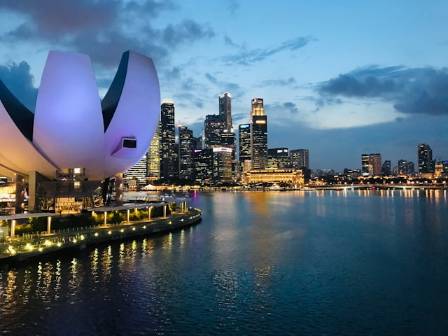
Marina Bay has transformed from reclaimed land into Singapore’s most iconic district. Its skyline now glitters with architectural marvels like Marina Bay Sands, the Singapore Flyer, and the futuristic SuperTree Grove. With so many attractions packed into one area, visitors can enjoy a mix of shopping, culture, nightlife, and nature—all easily reachable by MRT, taxi, or bus. Here are 10 experiences you shouldn’t miss.

Top 10 Most Stunning Waterfalls Around the World You Must See
Waterfalls are some of the most breathtaking natural wonders on Earth, offering travelers the chance to witness the raw beauty and force of nature. While world-renowned sites like Niagara Falls and Victoria Falls are impressive, there are countless other cascading gems worth exploring. From the icy landscapes of Iceland to tropical rainforests in Southeast Asia, these ten waterfalls showcase the diversity and majesty of the planet’s most captivating water features.

11 Creative Ways to Blend Casual and Formal Fashion
Mixing everyday basics with refined staples is one of the smartest tricks for refreshing your wardrobe. A few clever pairings can take you from a laid-back brunch to a polished evening look without a complete outfit change. Here are 11 stylish ideas to help you master the art of balancing casual comfort with sophisticated flair.

A Beginner’s Guide to Hiking in the Desert
Great news! Your first desert trip is booked and marked on the calendar. As you start getting your hiking boots ready and daydreaming about red rock landscapes, it’s important to think about how a desert hike differs from trails in the mountains.

Ten Essential Ukiyo-e Woodblock Prints
Ukiyo-e, the "pictures of the floating world," are Japanese woodblock prints that flourished during the Edo period (1603-1868). This art form achieved mass production, making beautiful and influential images widely accessible. The prints captured the popular culture of the time, from beautiful women and kabuki actors to dramatic landscapes and legendary heroes. The following ten works are among the most important and iconic in the history of Ukiyo-e.

The Blackbuck India’s Iconic Antelope Facts Habitat and Significance
The Blackbuck (scientific name: Antilope cervicapra) is a striking antelope species native to the Indian subcontinent, thriving mainly in India and parts of Pakistan. Renowned for its distinctive spiral horns and striking differences between males and females, this antelope stands out among its relatives. Adult males boast bold black-and-white coloring, with their dark coats deepening as they mature, while females and young males have lighter, brownish-yellow fur. Beyond its visual appeal, the Blackbuck plays a key role in grassland ecosystems, though it faces threats from human activity. This guide explores its physical traits, habitat, behavior, and the importance of conserving this iconic species.

Exploring the New Chinese Aesthetic: Where Tradition Meets Modern Fashion
China’s clothing industry is a dynamic, fast-evolving sector that mirrors both its rich cultural heritage and cutting-edge modern trends. As one of the world’s largest fashion markets, grasping the subtleties of China’s fashion landscape is key for anyone with an interest in fashion, business, or cultural studies. This guide will explore the latest trends, consumer habits, and how technology is impacting the industry.

2025 Rail Technology Trends: Transforming Efficiency, Safety, and Sustainability in the US Rail Industry
As 2025 unfolds amid a dynamic economic and political landscape, the US rail industry stands at a critical juncture, grappling with a trifecta of challenges: sustaining profitability amid rising operational costs, modernizing ageing infrastructure, and meeting escalating customer expectations for reliability and convenience. In this high-pressure environment, rail operators are turning to advanced technology as a strategic imperative to drive operational efficiency, enhance safety, and deliver value to stakeholders—from freight clients to daily commuters. The following ten trends represent the most impactful technological advancements set to redefine railroad operations in 2025 and beyond, merging connectivity, data intelligence, and automation to address industry pain points and unlock new potential.

4 Healing Power of Animal Companionship in Therapy
The profound bond between humans and animals goes beyond mere companionship; it holds the remarkable ability to promote healing and enhance mental well-being. Animals, with their innate qualities, offer comfort and support that can significantly impact our lives.